

Table of Contents
Ducted vs ductless mini split systems offer different approaches to heating and cooling your home. Ducted mini splits use air ducts to distribute air throughout your home from a central unit. Ductless mini splits have individual air handlers in each room without needing ductwork.
The main differences include installation requirements, cost, efficiency, and how they look in your home. Ducted systems are less visible but require ductwork, while ductless systems are more energy-efficient but have visible wall units.
What Are Ducted and Ductless Mini Split Systems?
Mini split systems are heating and cooling solutions that work without traditional central HVAC systems. They have two main parts: an outdoor unit and one or more indoor units. The big difference between ducted and ductless options is how they deliver air to your rooms.
Ducted Mini Split Systems
Ducted mini splits use a network of ducts hidden in your ceiling or floor to move air. The indoor unit sits in an attic, basement, or closet. From there, it pushes air through ducts to different rooms in your home. You only see the vents in each room, making this option less visible.
These systems work well for heating and cooling multiple rooms or an entire home. They’re a good choice if you already have ductwork or don’t mind installing it. Many homeowners like ducted systems because they keep the equipment out of sight.
Ductless Mini Split Systems
Ductless mini splits (also called wall-mounted mini splits) have individual air handlers mounted on walls inside your home. Each indoor unit connects to the outdoor unit through a small hole in the wall. This hole holds refrigerant lines, power cables, and a drain line.
Each indoor unit works independently to heat or cool the room where it’s installed. This gives you control over temperatures in different areas of your home. Ductless systems are easier to install since they don’t need ductwork. They’re perfect for homes without existing ducts or for adding comfort to new additions.

Key Differences Between Ducted and Ductless Mini Splits
When choosing between ducted vs ductless mini split systems, several important factors come into play. Let’s look at the main differences that might affect your decision.
Appearance and Space Requirements
Ducted mini splits offer a cleaner look since the equipment stays hidden. You’ll only see vents in your ceilings or walls. This makes them popular for homeowners who want a more traditional appearance.
Ductless systems have visible indoor units mounted on your walls. While manufacturers design these to be sleek and modern, they’re still noticeable. Each unit is typically about 3 feet wide and 1 foot tall. Some people don’t mind this look, while others prefer the hidden equipment of ducted systems. The available space in your home is a major factor in the ducted vs ductless mini split decision.
Zoning Capabilities
Both systems offer zoning, but they work differently. Ductless mini splits provide the most flexible zoning. Each indoor unit creates its own zone with independent temperature control. This means you can set different temperatures in different rooms.
Ducted systems can also offer zoning, but it requires special dampers in the ductwork. These dampers control airflow to different areas. While effective, ducted zoning systems are usually more complex and expensive to install than ductless options.
Noise Levels
Noise is another important difference between ducted vs ductless mini split systems. Ducted systems typically place the air handler away from living spaces. This means you’ll hear less noise from the equipment itself. However, you might hear air moving through the ducts.
Ductless systems have the air handler right in your room. Modern ductless units are designed to be quiet, often operating at just 20-30 decibels (similar to a whisper). Still, you might notice the sound more since the equipment is in your living space.
Cost Comparison: Ducted vs Ductless Systems
Cost is often a deciding factor when choosing between ducted vs ductless mini split systems. Let’s break down the different expenses you’ll face with each option.
Equipment and Installation Costs
Ductless mini splits typically cost $1,500 to $2,500 per indoor unit (including installation). A whole-home system with multiple zones might range from $5,000 to $15,000 depending on how many rooms you need to cover.
Ducted mini splits usually cost more upfront. Expect to pay $8,000 to $20,000 for a complete system. This higher cost comes from the ductwork installation and more complex setup. If your home already has usable ducts, you might save on installation costs.
Here’s a simple comparison table:
| Cost Factor | Ducted Mini Split | Ductless Mini Split |
|---|---|---|
| Equipment | $3,000-$8,000 | $1,000-$5,000 |
| Installation | $5,000-$12,000 | $500-$2,000 per unit |
| Total for Average Home | $8,000-$20,000 | $5,000-$15,000 |
Long-term Operating Costs
Ductless mini splits typically cost less to run month-to-month. They avoid the energy losses that happen in ductwork, which can account for up to 30% of energy consumption. Most ductless systems are also inverter-driven, meaning they adjust their output instead of turning on and off completely.
Ducted systems might have higher operating costs due to duct losses. However, modern ducted mini splits are still much more efficient than traditional HVAC systems. If your ducts are well-sealed and insulated, the difference in operating costs might be smaller.
Maintenance Expenses
Both systems need regular maintenance, but there are some differences:
For ductless mini splits, you’ll need to:
- Clean or replace filters every 1-2 months
- Clean the indoor units occasionally
- Have professional maintenance once a year ($75-$150)
For ducted mini splits, maintenance includes:
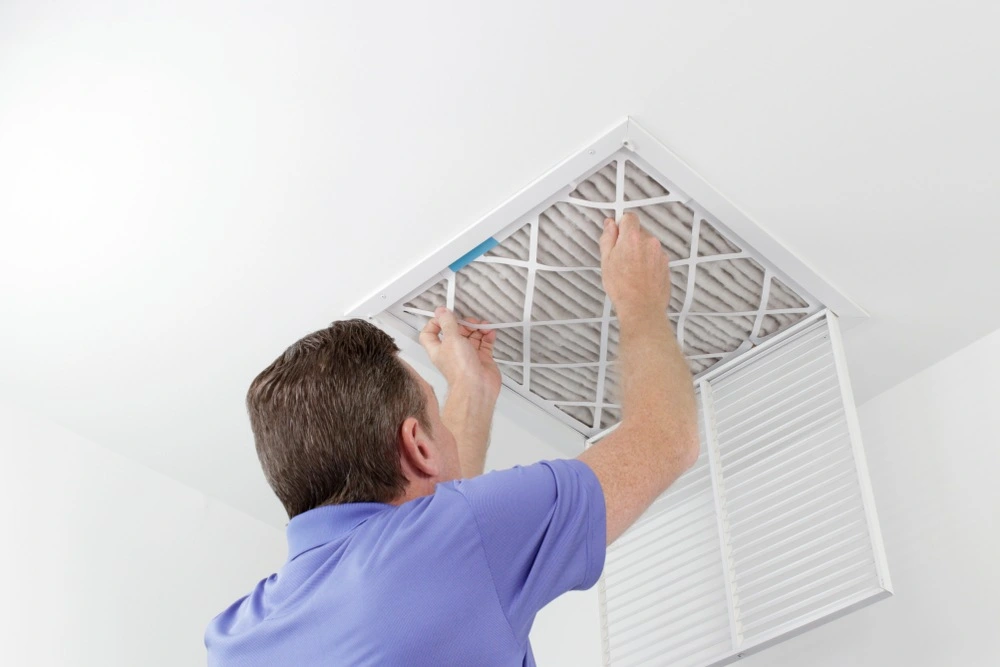
- Changing filters every 1-3 months
- Cleaning ducts every 3-5 years ($300-$500)
- Annual professional service ($100-$200)
Over time, ductless systems might have slightly lower maintenance costs since they don’t require duct cleaning.
Installation Process and Requirements
The installation process differs significantly between ducted vs ductless mini split systems. Understanding these differences can help you prepare for what to expect.
Ducted Mini Split Installation
Installing a ducted mini split system is more complex and time-consuming. The process typically includes:
- Installing or modifying ductwork throughout your home
- Creating a space for the indoor air handler unit
- Installing the outdoor condenser unit
- Connecting refrigerant lines between units
- Setting up electrical connections and controls
- Installing vents and returns in each room
This installation usually takes 2-5 days depending on whether you need new ductwork. It’s more disruptive to your home, often requiring access to attics, crawlspaces, or between walls. You’ll need professional HVAC installers for this job.
Ductless Mini Split Installation
Ductless systems are much simpler to install:
- Mounting indoor units on walls in each zone
- Drilling small holes (about 3 inches) through exterior walls
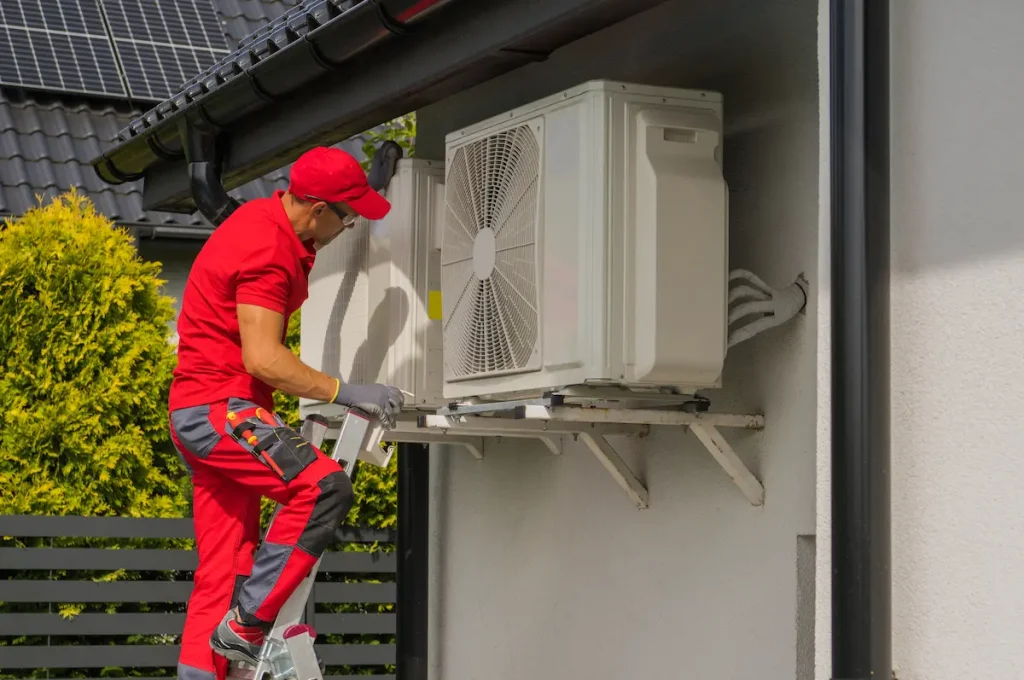
- Installing the outdoor unit on a pad or wall bracket
- Running refrigerant lines, power cables, and drain lines through the holes
- Connecting everything and testing the system
A professional can typically install a ductless system with 1-4 indoor units in just 1-2 days. The process is less invasive and doesn’t require opening walls or ceilings. This makes ductless mini splits perfect for existing homes where adding ductwork would be difficult.
Space Requirements
Ducted systems need space for both the air handler and the ductwork. You’ll need:
- A closet, attic, or basement area for the air handler
- Space between floors, in attics, or in soffits for ductwork
- Room for the outdoor unit (similar to ductless)
Ductless systems have different space needs:
- Wall space for each indoor unit (about 3 feet wide by 1 foot tall)
- A small 3-inch hole behind each unit
- Space for the outdoor unit
If you have limited space between walls or no attic access, ductless systems might be your only practical option.
Energy Efficiency and Performance
When comparing ducted vs ductless mini split systems, efficiency is a major consideration. Both options are more efficient than traditional HVAC systems, but there are important differences.
SEER Ratings and Energy Use
Mini split systems are rated using SEER (Seasonal Energy Efficiency Ratio). Higher SEER numbers mean better efficiency. Ductless mini splits typically offer SEER ratings of 16-30, while ducted mini splits usually range from 14-22 SEER.
Ductless systems generally achieve higher efficiency because they:
- Avoid duct-related energy losses (which can be up to 30%)
- Use inverter technology to adjust output precisely
- Allow you to heat or cool only the rooms you’re using
A typical ductless mini split might use 25-40% less energy than a ducted system for the same cooling capacity. This can mean significant savings on your utility bills over time.
Heating and Cooling Performance
Both systems provide excellent heating and cooling performance, but they distribute air differently. Ducted systems push air through vents, creating more air movement throughout the room. This can help maintain even temperatures.
Ductless wall units blow air directly into the room. While modern units are designed to distribute air effectively, you might notice more temperature variation in larger rooms. Some people find the direct airflow from ductless units less comfortable than the more diffused air from ducted systems.
In very cold climates, ducted systems might perform better for heating since they distribute warm air more evenly. However, many modern ductless systems are designed to work efficiently even in sub-zero temperatures.
Humidity Control
Both ducted and ductless mini splits offer good humidity control. They can remove moisture from the air while cooling, making your home more comfortable in humid weather.
Ductless systems might have a slight advantage in humidity control because they run more continuously at lower speeds. This allows for more consistent dehumidification compared to systems that cycle on and off frequently.
Which System Is Right for Your Home?
Choosing between ducted vs ductless mini split systems depends on your specific situation. Let’s look at which option might work best for different scenarios.
Best Applications for Ducted Mini Splits
Ducted mini splits are ideal for:
- Homes that already have usable ductwork
- New construction where ducts can be easily installed
- Homeowners who prefer a hidden system with no visible indoor units
- Whole-home heating and cooling with a consistent look
- Spaces where wall space is limited or wall units would be undesirable
If you’re building a new home or doing a major renovation, ducted systems can be integrated seamlessly. They’re also good for homeowners who want the same look and feel as traditional central air systems.
Best Applications for Ductless Mini Splits
Ductless mini splits work best for:
- Older homes without existing ductwork
- Home additions where extending ducts would be difficult
- Homes where different rooms need different temperatures
- Situations where installation needs to be quick and minimally invasive
- Homeowners focused on maximum energy efficiency
Ductless systems are perfect for retrofitting older homes or adding comfort to spaces like converted garages or sunrooms. They’re also ideal if you want precise control over temperatures in different areas of your home.
Hybrid Approaches
Some homeowners choose a hybrid approach, using both ducted and ductless mini splits in different areas of their home. For example:
- Ducted mini splits for main living areas where aesthetics are important
- Ductless units for additions or rooms that need independent temperature control
This approach lets you enjoy the benefits of both systems while addressing specific needs in different parts of your home.
Frequently Asked Questions About Ducted vs Ductless Mini Splits
How long do ducted and ductless mini splits last?
Both ducted and ductless mini split systems typically last 15-20 years with proper maintenance. The outdoor units have similar lifespans for both types. Indoor components of ductless systems might last slightly longer since they have fewer moving parts than ducted air handlers.
Can mini splits provide both heating and cooling?
Yes, most modern mini splits are heat pumps that provide both heating and cooling. They extract heat from the air and can either move it inside (for heating) or outside (for cooling). This makes them versatile year-round comfort solutions.
Are mini splits more expensive than traditional HVAC systems?
Mini splits typically cost more upfront than traditional HVAC systems but save money over time through energy efficiency. Ductless systems usually have higher equipment costs but lower installation costs compared to central air conditioning with furnaces.
Can I install a mini split system myself?
While DIY mini split kits exist, professional installation is strongly recommended. Proper installation requires specialized tools, knowledge of electrical systems, and handling of refrigerant (which requires EPA certification). Improper installation can lead to reduced efficiency, performance issues, and voided warranties.
Do mini splits work in very cold climates?
Modern mini splits can work effectively in cold climates. Look for models specifically designed for low temperatures, sometimes called “cold climate” or “hyper-heat” models. These can provide efficient heating even when outdoor temperatures drop below zero.
How noisy are mini split systems?
Both ducted and ductless mini splits are quieter than traditional HVAC systems. Ductless indoor units typically operate at 20-40 decibels (similar to a whisper or library). Ducted systems might be slightly louder due to air movement through ducts, but the main equipment noise is isolated away from living spaces.
Conclusion
Ready to explore which mini split system is right for your home? Our team of HVAC experts can help you compare ducted vs ductless mini split options for your specific needs. We’ll consider your home’s layout, your comfort preferences, and your budget to recommend the perfect solution. Contact G.W. Jones Heating and Cooling today to schedule a consultation and take the first step toward more comfortable, efficient home heating and cooling!