
Table of Contents
A boiler is both HVAC and plumbing. It sits at the intersection of these two home systems because it uses plumbing components to distribute heated water while functioning as a heating appliance within your HVAC system. This dual nature often creates confusion for homeowners trying to determine which professional to call for service or repairs.
Understanding Boilers: The Basics
A boiler is a heating system that warms your home by heating water. Unlike furnaces that heat air, boilers heat water that circulates through pipes to radiators, baseboard heaters, or in-floor heating systems. This hot water or steam gives off heat as it moves through your home.
Boilers come in different types. The most common are hot water boilers and steam boilers. Hot water boilers heat water to about 180 degrees and pump it through your home’s radiators or radiant floor systems. Steam boilers heat water until it becomes steam, which then rises through pipes to radiators without needing a pump.
Most modern homes use hot water boilers because they’re more efficient and easier to control. These systems provide even, comfortable heat and can be very energy-efficient when properly maintained.
How Boilers Work
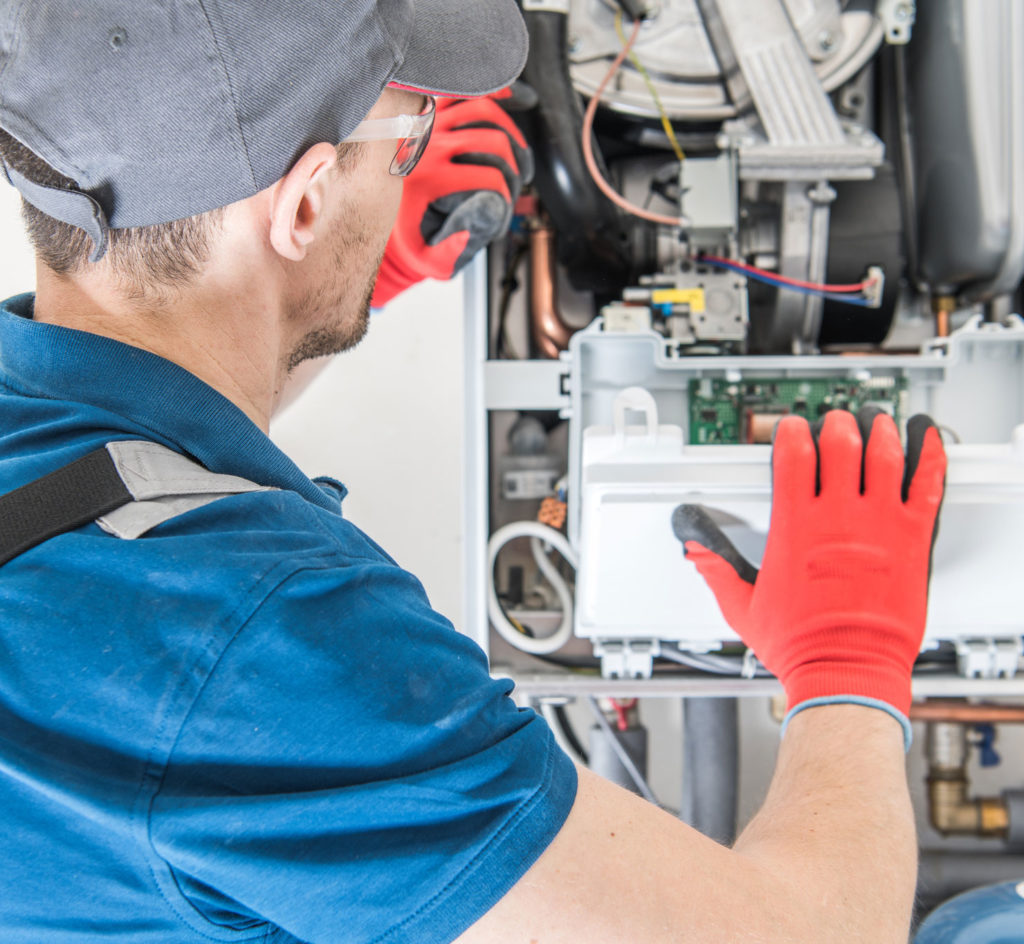
The basic operation of a boiler is simple to understand. First, cold water enters the boiler from your home’s water supply. Then, a fuel source (like natural gas, oil, or electricity) heats this water.
Once heated, the water or steam travels through pipes to your home’s radiators or heating panels. As the hot water or steam moves through these units, heat transfers into your rooms. The cooled water then returns to the boiler to be reheated, creating a continuous cycle.
This cycle is what makes a boiler both an HVAC component and a plumbing fixture. It uses water (plumbing) to deliver heat (HVAC) throughout your home.
Boiler Components
Understanding the main parts of a boiler helps explain why it bridges both HVAC and plumbing:
- Heat Exchanger: This is where water gets heated by the fuel source.
- Burner: Creates the flame that heats the exchanger (in fuel-burning models).
- Circulator Pump: Moves water through the system (in hot water boilers).
- Expansion Tank: Handles the expansion of heated water to prevent pressure issues.
- Pressure Relief Valve: A safety feature that releases excess pressure.
- Water Supply Lines: Bring fresh water into the system.
- Return Lines: Bring cooled water back to the boiler.
- Radiators or Heating Elements: Distribute heat throughout your home.
Each of these components requires knowledge of both heating systems and water management, which is why boiler service often requires expertise in both fields.
The HVAC Elements of Boilers
When we look at boilers from an HVAC perspective, we focus on their role in home heating. HVAC stands for Heating, Ventilation, and Air Conditioning. Boilers clearly fall under the “Heating” part of HVAC.
The primary HVAC aspects of boilers include temperature control, heat distribution, and energy efficiency. Your boiler connects to a thermostat that monitors your home’s temperature. When the temperature drops below your setting, the boiler activates to warm your home.
Modern boilers include advanced HVAC features like:
- Zone Control: Allows different temperatures in different areas of your home.
- Programmable Controls: Let you set heating schedules to save energy.
- Modulating Burners: Adjust flame size based on heating needs for better efficiency.
- Outdoor Reset Controls: Adjust water temperature based on outdoor conditions.
HVAC technicians who work on boilers focus on these heating aspects. They ensure your boiler produces the right amount of heat efficiently and distributes it evenly throughout your home.

Boilers vs. Other HVAC Heating Systems
Compared to other heating systems like furnaces or heat pumps, boilers have some unique advantages. They provide more even heat without blowing dust around. Many people find radiant heat from boilers more comfortable than forced-air heat from furnaces.
Boilers also tend to last longer than furnaces, often running well for 20-30 years with proper maintenance. They operate quietly without the blowing sounds of forced-air systems. And because they don’t use ductwork, you don’t lose heat through leaky ducts.
However, boilers typically cost more to install than furnaces. They also can’t provide air conditioning like heat pumps can. This is why some homes with boilers also have separate cooling systems for summer months.
The Plumbing Elements of Boilers
From a plumbing perspective, boilers are water-handling devices. They connect directly to your home’s water supply and use a network of pipes to circulate water or steam. This makes them an integral part of your plumbing system.
The plumbing aspects of boilers include:
- Water Supply Connections: Pipes that bring fresh water into the boiler.
- Circulation Pipes: The network that carries hot water or steam throughout your home.
- Pressure Management: Systems that maintain proper water pressure.
- Drainage Systems: Allow for system draining during maintenance.
- Backflow Prevention: Devices that prevent boiler water from flowing back into drinking water.
Plumbers who work on boilers focus on these water-handling components. They ensure water flows properly, pressure stays within safe limits, and there are no leaks in the system.
Water Quality and Boiler Performance
One important plumbing aspect of boilers is water quality. The minerals in your water can affect boiler performance and lifespan. Hard water with high mineral content can cause scale buildup inside your boiler and pipes.
This scale acts like insulation, making your boiler work harder to heat your home. Over time, this reduces efficiency and can damage components. In areas with hard water, plumbers might install water treatment systems to protect your boiler.
Regular maintenance by a plumber includes checking for scale buildup and possibly flushing the system to remove deposits. This maintenance helps your boiler run efficiently and last longer.
Boiler Installation and Maintenance: Who to Call
Because boilers bridge both HVAC and plumbing, you might wonder who to call for installation or repairs. The answer depends on your local regulations and the specific issue you’re facing.
In many areas, boiler installation requires both HVAC and plumbing expertise. Some companies have technicians certified in both fields. Others might have HVAC and plumbing specialists who work together on boiler projects.
When to Call an HVAC Technician
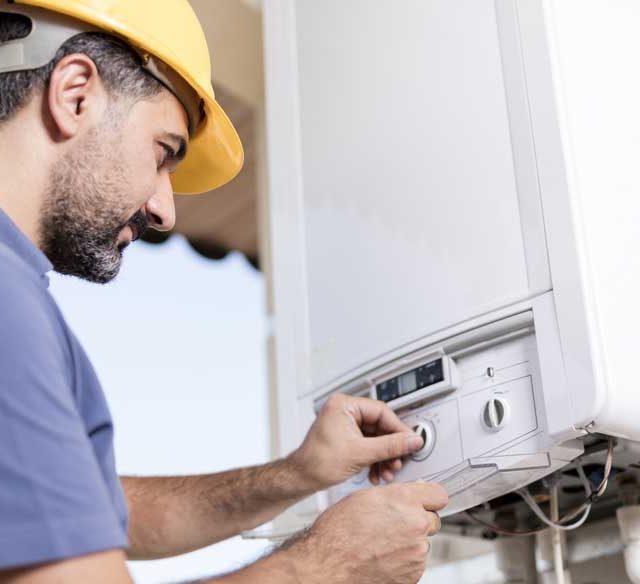
An HVAC specialist is typically your best choice for:
- Problems with heating performance or temperature control
- Issues with the burner or heat exchanger
- Thermostat or control system problems
- Annual efficiency tune-ups
- Upgrading to a more efficient model
HVAC technicians understand how to optimize your boiler’s heating performance. They can ensure it runs efficiently and produces the right amount of heat for your home.
When to Call a Plumber
A plumber is usually better for:
- Water leaks anywhere in the system
- Pressure problems or issues with the expansion tank
- Problems with circulation pumps
- Pipe repairs or replacements
- Water quality issues affecting the boiler
Plumbers understand how water moves through the system and how to maintain proper pressure. They can address any water-related issues that affect your boiler’s performance.
Regular Maintenance Requirements
Regardless of who you call, regular maintenance is essential for your boiler. Most experts recommend annual service before the heating season begins. This maintenance should include:
- Checking and cleaning the heat exchanger
- Inspecting and testing safety controls
- Checking water pressure and expansion tank operation
- Lubricating pumps and motors
- Testing for proper combustion (in fuel-burning models)
- Checking for leaks throughout the system
Regular maintenance helps prevent breakdowns, extends your boiler’s life, and keeps it running efficiently. It’s worth scheduling this service every year, even if your boiler seems to be working fine.
Common Boiler Problems and Solutions
Understanding common boiler issues can help you decide whether you need an HVAC technician or a plumber. Here are some frequent problems and their usual causes:
No Heat or Not Enough Heat
If your boiler isn’t producing heat, the problem could be:
- Thermostat issues: Incorrect settings or battery problems (HVAC issue)
- Air in the system: Prevents water circulation (Plumbing issue)
- Pilot light or ignition failure: Prevents fuel burning (HVAC issue)
- Circulation pump problems: Stops water movement (Plumbing issue)
The solution depends on the specific cause. Simple fixes like bleeding radiators to remove air or checking thermostat settings might solve the problem. More complex issues might require professional repair.
Strange Noises
Boilers should operate quietly. If you hear banging, whistling, or gurgling sounds, you might have:
- Kettling: Scale buildup causing overheating (Plumbing issue)
- Air in the system: Causing gurgling sounds (Plumbing issue)
- Pump problems: Creating humming or vibrating noises (Plumbing issue)
- Expansion/contraction: Causing banging in pipes (Plumbing issue)
Most noise issues relate to water flow, making them plumbing concerns. A professional can diagnose the specific cause and recommend appropriate solutions.
Leaks
Water leaks are always a concern with boilers. They might indicate:
- Pressure relief valve activation: Due to excessive pressure (Plumbing issue)
- Pump seal failure: Allowing water to escape (Plumbing issue)
- Corroded pipes or connections: Creating small leaks (Plumbing issue)
- Heat exchanger cracks: A serious problem requiring immediate attention (HVAC/Plumbing issue)
Any leak should be addressed quickly to prevent water damage and more serious boiler problems. Most leaks fall under plumbing expertise, though some might require both HVAC and plumbing knowledge.
Choosing the Right Boiler for Your Home
If you’re installing a new boiler or replacing an old one, understanding the HVAC and plumbing aspects can help you make a better choice. Here are key factors to consider:
Types of Boilers
The main types of residential boilers include:
- Conventional Boilers: Have a separate hot water tank for storing heated water.
- Combi (Combination) Boilers: Provide both heating and hot water on demand without a storage tank.
- System Boilers: Include many components built-in but still use a separate hot water cylinder.
Each type has advantages for different home situations. Combi boilers save space but might not be ideal for homes with high hot water demand. Conventional systems can provide more hot water but take up more space.
Fuel Types
Boilers can run on various fuels:
- Natural Gas: Most common and usually most economical where available.
- Propane: Similar to natural gas but stored in tanks for homes without gas lines.
- Oil: Common in areas without natural gas service.
- Electric: No combustion required but often more expensive to operate.
Your choice might be limited by what’s available in your area. If you have options, consider both installation costs and long-term operating expenses.
Efficiency Ratings
Modern boilers are much more efficient than older models. Look for:
- AFUE Rating: Annual Fuel Utilization Efficiency tells you what percentage of fuel becomes useful heat.
- Condensing vs. Non-Condensing: Condensing boilers capture heat from exhaust gases, making them more efficient.
- Modulating Capability: Allows the boiler to adjust output based on demand rather than cycling on and off.
Higher efficiency models cost more upfront but save money over time through lower fuel bills. In cold climates where your boiler runs frequently, the efficiency difference becomes even more important.
FAQs about Boilers in HVAC & Plumbing
Is a boiler considered HVAC?
Yes, a boiler is considered part of an HVAC system. It handles the “H” (heating) in HVAC by providing warmth to your home. While it uses water to distribute heat, its primary function is heating, which places it firmly in the HVAC category.
Do plumbers work on boilers?
Yes, plumbers commonly work on boilers, especially on the water-handling components like pipes, pumps, and pressure systems. In many areas, plumbers receive specific training for boiler work. For complex issues, you might need both a plumber and an HVAC technician.
How long do boilers typically last?
With proper maintenance, a good quality boiler can last 15-30 years. Cast iron boilers tend to last longer (sometimes 30+ years) while more compact modern units typically last 15-20 years. Regular professional maintenance can significantly extend your boiler’s lifespan.
Are boilers more efficient than furnaces?
Modern high-efficiency boilers and furnaces can both achieve similar efficiency ratings (over 90% AFUE). However, boilers often provide more even heating and can feel more efficient in practice because they don’t lose heat through ductwork. The most efficient option depends on your specific home and climate.
Can a boiler provide air conditioning too?
No, a standard boiler only provides heating. Unlike heat pumps that can reverse their operation to cool, boilers only heat water. If you have a boiler and want air conditioning, you’ll need a separate cooling system like central air conditioning or ductless mini-splits.
How often should a boiler be serviced?
Most manufacturers and HVAC professionals recommend annual boiler maintenance. This service should be performed before the heating season begins, typically in early fall. Regular maintenance keeps your boiler running efficiently, prevents breakdowns, and can extend its lifespan.
Is it normal for a boiler to lose pressure?
A small, gradual pressure drop over time is normal, but frequent or significant pressure loss indicates a problem. Common causes include small leaks, recently bled radiators, or issues with the expansion vessel. If you need to repressurize your system more than a couple of times per year, have a professional check for leaks.
Can I install a boiler myself?
Boiler installation is not a DIY project. It requires specialized knowledge of both HVAC and plumbing systems, plus an understanding of local building codes. Improper installation can be dangerous and may void your warranty. Always hire licensed professionals for boiler installation.
Ready to Service Your Boiler?
Now that you understand that a boiler is both an HVAC and plumbing system, you can make better decisions about maintenance and repairs. Regular service by qualified professionals will keep your boiler running efficiently for many years.
Whether you need installation, maintenance, or repairs, working with experts who understand both the heating and plumbing aspects of boilers is essential. Don’t wait until you’re left in the cold—schedule your boiler maintenance today and enjoy reliable, efficient heating all season long.
Call GW Jones for a professional assessment of your heating needs! We’ll help ensure your home stays warm and comfortable through even the coldest months!