
Table of Contents
The Secret to Excellent Heating and Cooling
So, you’re a homeowner, thinking about your HVAC. Maybe it’s making weird noises, not cooling efficiently, or your energy bills are skyrocketing.
You’re considering options, weighing rooftop HVAC units against other systems. You may even be debating repair versus replacement, wondering about costs. You’re not alone. That’s why this post explores the benefits of having rooftop HVAC units.
They are common for commercial buildings but offer residential advantages too. We will also cover financing, repairs, and replacements for your air conditioning systems.
Exploring the Benefits of Having Rooftop HVAC Units
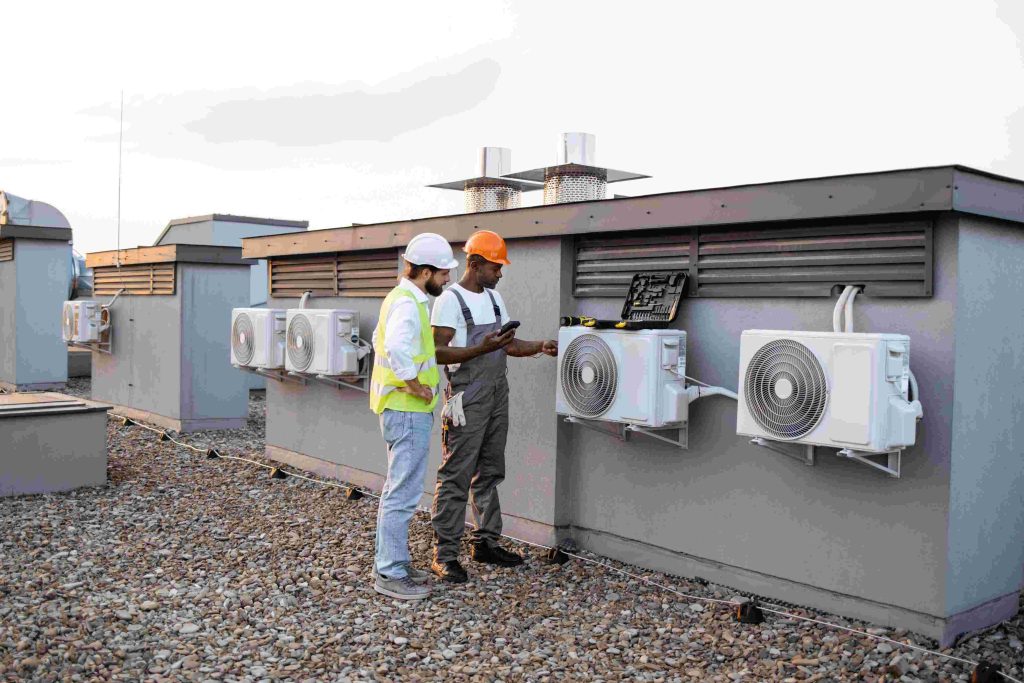
Rooftop units (RTUs) consolidate all HVAC components in a single rooftop unit. This contrasts with traditional split systems, which have separate indoor and outdoor components. Let’s explore what makes rooftop HVAC appealing, comparing it to split systems.

Space-Saving Marvel
A major perk is freeing up your yard. No bulky equipment takes up ground space. Rooftop placement opens your property to gardens, sheds, or anything you prefer. This leaves your ground-level real estate open.
This preserves ground-level real estate, especially important for smaller properties. Rooftop air conditioners maximize usable space, giving you flexibility.
Whisper-Quiet Operation
Some outdoor units are noisy. Rooftop placement elevates these sounds, minimizing noise pollution. With components away from living areas, even powerful models operate quietly.
This quieter operation creates a more peaceful environment. Rooftop air conditioning systems benefit those sensitive to noise.
Maintenance Made Easy
Rooftop HVAC units offer easy maintenance. Components are accessible, streamlining repairs and checkups. Elevated placement also deters theft and vandalism, common with ground-level units.
Easy access simplifies upkeep, ensuring efficient HVAC maintenance. This also protects your investment from accidental damage.
Energy Efficiency
Efficiency is key when considering rooftop HVAC units. They function similarly to other systems but offer unique benefits. Many models integrate energy-saving technology, reducing running costs. Free cooling capabilities further reduce energy consumption during cooler periods.
Rooftop air conditioner units provide cold air efficiently, cutting down your energy bills. Consider this aspect of rooftop air conditioning benefits when evaluating system upgrades.
Comparing Rooftop HVAC with Other Systems
Rooftop units have many perks. However, are they suitable for every home? Several factors influence this decision. Choosing the right rooftop HVAC units requires careful evaluation of your building’s layout.
Rooftop vs. Split Systems: A Side-by-Side Look
| Feature | Rooftop HVAC | Split System HVAC |
|---|---|---|
| Space | Saves ground space | Requires outdoor unit placement |
| Noise | Quieter operation | Can be noisy depending on the location |
| Maintenance | Easier access | Can be more complex |
| Installation Cost | Typically higher | Generally lower |
| Roof Suitability | Needs a structurally sound roof | Not a factor |
For limited yards, rooftop units save space, benefiting even residential HVAC systems. They solve noise and space issues, concealing equipment, and minimizing disruption. These rooftop HVAC units often utilize a heat pump for both heating and air conditioning.
Rooftop placement improves aesthetics and tranquility.
Installation Costs: Rooftop Units and Budgets
A potential drawback of rooftop units is the higher initial cost. Installation involves skilled labor, heavy lifting, support beams, and specialized seals.
While long-term value increases due to lower maintenance, plan carefully for the initial investment. Financing plans can ease budgeting concerns, splitting costs into manageable payments.
Explore available options, like Easy Pay and other programs, to make upgrades more affordable.

Repair or Replace: Making the Right Choice
For existing traditional systems, repair versus replacement is a common dilemma.
When Repair Makes Sense
Keeping older systems is sometimes preferable. For units under 10 years old, minor repairs are often sufficient.
Addressing smaller issues early can extend the lifespan of your existing system. Regular AC maintenance can help identify these minor problems and potentially prevent bigger future failures.
Signs You Need a Replacement
Older HVAC systems (15+ years) struggle with efficiency. Loud noises, uneven temperatures, and rising costs often indicate replacement needs.
A new system provides long-term savings, improved efficiency, and reduced noise. Rooftop systems offer these benefits along with space-saving advantages, especially valuable for homes or businesses with limited outdoor space.
Switching to rooftop HVAC units benefits your wallet in the long run and improves air quality and noise reduction.
Frequently Asked Questions About Rooftop HVAC Units and Installation
What makes rooftop HVAC units better than ground-level systems?
Rooftop HVAC units are great because they free up your yard, reduce noise near living spaces, and are easier to service. These benefits make them ideal for homes with limited ground space or homeowners seeking a quieter, cleaner setup.
Are rooftop HVAC systems more expensive to install than traditional ones?
Yes, the upfront installation cost is typically higher due to structural and lifting requirements. However, many homeowners find the long-term energy savings and easier maintenance justify the investment over time.
Can a rooftop HVAC unit be installed on any home?
Not every home is suitable, since rooftop HVAC systems require strong, structurally sound roofing. A qualified HVAC contractor can assess your property to see if modifications or reinforcements are needed for proper support.
Do rooftop HVAC units require more maintenance than split systems?
No, in fact rooftop systems often simplify maintenance thanks to easy component access and reduced risk of tampering or debris. Their location also helps avoid common issues like vandalism or lawn equipment damage.
Conclusion
Smart HVAC decisions are essential for any property owner. Choosing between repair and replacement is crucial. Financing options can help manage budgets. Regular maintenance ensures efficient, long-lasting systems.
Understanding the benefits of rooftop HVAC units can help navigate upgrades or replacements. Whether you need a new air conditioner or are considering commercial HVAC installation, find what suits you best. Seeking expert advice can offer further insights. It’s important to have proper HVAC installation for optimal performance. Consulting with an HVAC company can help ensure efficient AC installation.
There are various cooling components and conditioning systems to choose from. The best solution always depends on the individual home, ranging from small homes to huge buildings and commercial rooftop units.
Contact us today for more information or to schedule a free consultation.