
Improve Indoor Air Quality
Are you constantly battling seasonal allergies even while inside your home? The solution might be right under your nose: your indoor air quality. Indoor air quality solutions can significantly reduce allergens in your home, providing relief for you and your family.
Studies show that indoor air can be 2-5 times more polluted than outdoor air, even in urban environments, making proper air filtration and purification essential for allergy sufferers. Let’s explore how improving your home’s air quality can lead to better health, fewer allergy symptoms, and a more comfortable living environment.
Table of Contents
Understanding Indoor Air Quality
Indoor air quality (IAQ) refers to the air quality within and around buildings, especially as it relates to the health and comfort of building occupants. Poor indoor air quality can trigger allergic reactions, respiratory problems, and other health issues. Many factors affect your home’s air quality, including ventilation systems, building materials, and household activities like cooking and cleaning.
The Environmental Protection Agency (EPA) has identified indoor air pollution as one of the top five environmental health risks. Understanding the sources of indoor air pollution is the first step toward implementing effective indoor air quality solutions. Your HVAC system plays a crucial role in maintaining clean air by filtering out pollutants and controlling humidity levels.
Common Indoor Allergens
Dust Mites
Dust mites are microscopic creatures that feed on dead skin cells and thrive in warm, humid environments. They’re commonly found in:
- Bedding and mattresses.
- Upholstered furniture.
- Carpeting.
Pet Dander
Even if you’re not allergic to pets, pet dander can irritate your respiratory system and trigger allergy-like symptoms. Pet dander consists of tiny, even microscopic, flecks of skin shed by cats, dogs, and other animals with fur or feathers.
Mold Spores
Mold grows in damp areas and releases spores that can trigger allergic reactions. Common places for mold growth include:
- Bathrooms and kitchens.
- Basements.
- Around leaky pipes or windows.
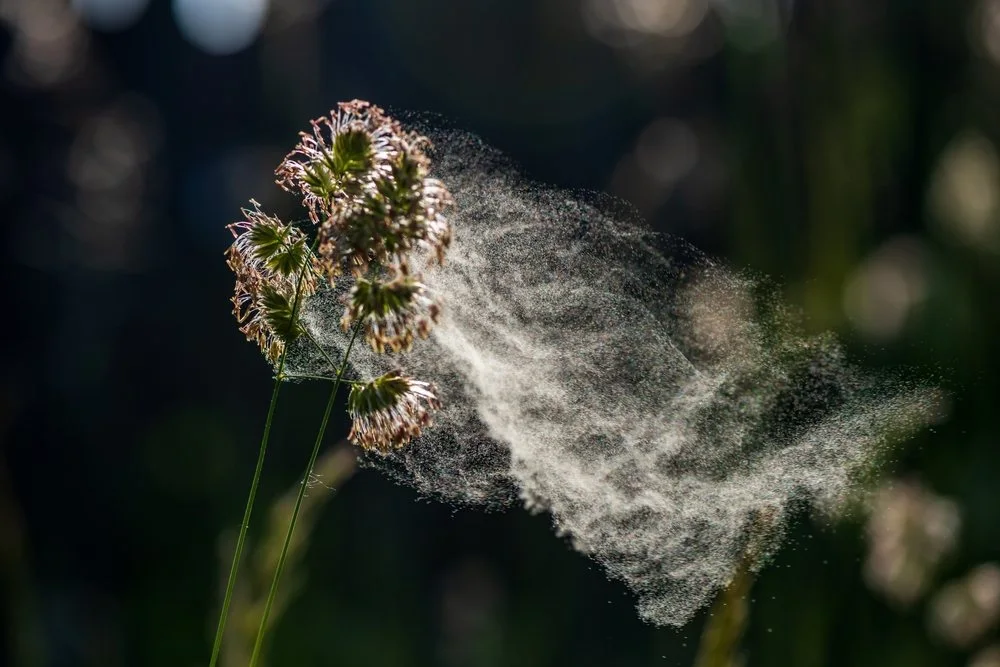
Pollen
Though originating outdoors, pollen easily makes its way into your home through:
- Open windows and doors.
- On clothing and pets.
- Through ventilation systems without proper filtration.
How Poor Indoor Air Quality Affects Your Family
Poor indoor air quality doesn’t just trigger allergies; it can have wide-ranging effects on your family’s health and well-being. Children and elderly family members are particularly vulnerable to the effects of indoor air pollution. Even those without diagnosed allergies may experience symptoms like headaches, fatigue, and irritated eyes or throat.
Long-term exposure to poor indoor air quality has been linked to more serious health issues, including respiratory diseases, heart disease, and even some types of cancer. According to the World Health Organization, improving indoor air quality can reduce the burden of disease from respiratory infections, heart disease, and lung cancer by up to 20-30%.
The good news is that implementing indoor air quality solutions can dramatically improve your home environment. Proper ventilation, filtration, and humidity control can reduce allergens and create a healthier living space for everyone in your household.
Top Indoor Air Quality Solutions for Allergy Relief
HEPA Air Purifiers
High-Efficiency Particulate Air (HEPA) purifiers remove 99.97% of airborne particles as small as 0.3 microns. These powerful devices can capture:
- Dust and pollen.
- Pet dander.
- Mold spores.
- Some bacteria and viruses.

Advanced HVAC Filtration Systems
Upgrading your HVAC system’s filtration capabilities can make a substantial difference in your home’s air quality:
| Filter Type | MERV Rating | What It Filters |
| Basic | 1-4 | Large particles, dust |
| Better | 5-8 | Mold spores, pet dander |
| Good | 9-12 | Legionella, auto emissions |
| Best | 13-16 | Bacteria, smoke, sneeze droplets |
| HEPA | 17-20 | Viruses, carbon dust |
Whole-Home Dehumidifiers
Maintaining optimal humidity levels (between 30-50%) can:
- Prevent mold growth.
- Reduce dust mite populations.
- Improve overall comfort.
- Decrease musty odors.

UV Light Purification
UV light systems installed in your HVAC equipment kill:
- Bacteria.
- Viruses.
- Mold spores.
- Other microorganisms before they circulate through your home.
DIY Steps to Improve Your Home’s Air Quality
While professional indoor air quality solutions offer the most comprehensive protection, there are several steps you can take on your own to improve your home’s air:
Regular Cleaning Practices
- Vacuum carpets and upholstery with a HEPA-filter vacuum at least twice weekly.
- Wash bedding in hot water (130°F minimum) weekly to kill dust mites.
- Dust surfaces with a damp cloth rather than dry dusting, which can spread allergens.
Controlling Humidity
- Use bathroom and kitchen exhaust fans to remove excess moisture.
- Fix leaky pipes and faucets promptly.
- Consider using a portable dehumidifier in problem areas like basements.
Natural Ventilation
- Open windows when pollen counts are low to introduce fresh air.
- Create cross-ventilation by opening windows on opposite sides of your home.
- Let fresh air in for at least 15-30 minutes daily, weather permitting.
When to Call HVAC Professionals
While DIY methods can help, sometimes professional intervention is necessary for optimal indoor air quality solutions. Consider consulting with HVAC professionals if you or family members continue to experience allergy symptoms despite your best efforts.
Professional assessment can identify hidden sources of allergens that DIY methods might miss. Experts can conduct air quality testing to measure pollutant levels and recommend targeted solutions precisely.
Your home has challenges like excessive humidity, musty odors, or visible mold growth. These issues often indicate more serious problems that require professional remediation. Specialized equipment may be needed to address these concerns effectively.
You’re ready to integrate advanced air quality systems into your existing HVAC setup. Professional installation ensures that new equipment functions properly and works efficiently with your current system. Experts can recommend the most appropriate indoor air quality solutions based on your home’s specific needs and your family’s health concerns.
Frequently Asked Questions
How often should I change my HVAC filter for better indoor air quality?
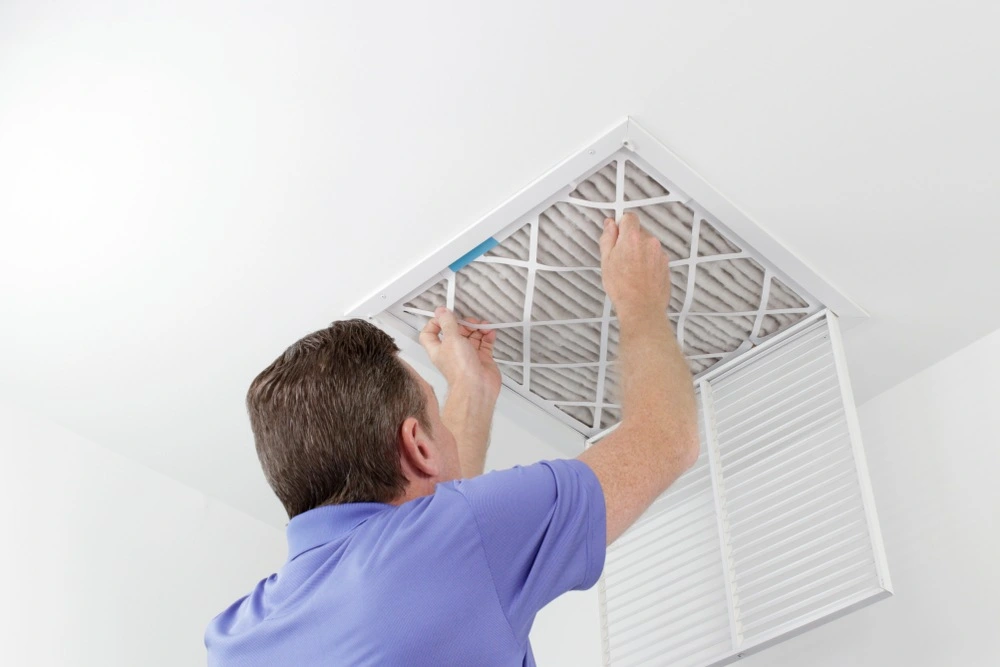
Standard filters typically need changing every 1-3 months, depending on factors like pets, occupant allergies, and local air quality. High-efficiency filters may last longer but should be checked monthly. Watch for visible dirt accumulation or increased allergy symptoms as signs it’s time for a change.
Can indoor plants help improve air quality?
Yes, certain plants can help filter indoor air by removing toxins like formaldehyde and benzene. However, they have minimal impact on allergens like dust and pet dander. Be aware that soil can harbor mold if overwatered, potentially worsening allergies. Good choices include snake plants, spider plants, and peace lilies.
What humidity level is best for reducing indoor allergens?
Maintain indoor humidity between 30-50% to discourage dust mites and mold growth. Levels below 30% can dry mucous membranes and increase sensitivity to allergens, while levels above 50% create ideal conditions for biological contaminants. Use a hygrometer to monitor your home’s humidity levels accurately.
Are air purifiers worth the investment for allergy sufferers?
For moderate to severe allergy sufferers, air purifiers with HEPA filtration can significantly reduce symptoms by removing airborne allergens. Their effectiveness depends on proper sizing for your space, regular filter maintenance, and placement in the rooms where you spend the most time.
Indoor Air Quality Solutions: Creating an Allergy-Free Home
Creating an allergy-free home environment requires a comprehensive approach to indoor air quality solutions. Start by assessing your current situation: identify problem areas, note when symptoms worsen, and consider seasonal patterns that might affect your indoor air. This information helps in developing a targeted strategy for improvement.
Consider creating “clean zones” in your home, particularly in bedrooms where you spend approximately one-third of your life. These areas should have minimal carpet, washable window treatments, and encased mattresses and pillows to reduce allergen exposure. Combined with appropriate filtration, these zones can provide much-needed relief for allergy sufferers.
Don’t let allergies keep you from enjoying your home. G.W. Jones Heating & Cooling is here to help you breathe easier with professional indoor air quality solutions tailored to your family’s needs. Contact our experienced technicians today to schedule an indoor air quality assessment and take the first step toward an allergy-free home.