
Table of Contents
Ensure Flawless Air Conditioning Functioning
As a business owner, you might not give much thought to your commercial rooftop unit, especially during the warmer months. But winter protection for your commercial rooftop unit is crucial for its longevity and efficient operation. Neglecting winter upkeep can lead to costly repairs, decreased efficiency, and even complete system failure. This guide provides practical advice on how to properly winterize your commercial rooftop unit, helping you avoid headaches and save money on commercial heating costs.

Why Winter Protection for Your Commercial Rooftop Unit Matters
Commercial rooftop units are constantly exposed to the elements. Winter’s freezing temperatures, snow, ice, and strong winds create challenging conditions for these rooftop HVAC systems.
These conditions can cause several problems that require regular maintenance, from frozen pipes and components to snow and ice buildup restricting airflow. Corrosion from winter weather, especially road salt carried by the wind, can also shorten the unit’s lifespan.
Freezing Pipes and Components
Water can freeze inside pipes and unit components. This can lead to cracks, leaks, and disrupt the unit’s operation.
Snow and Ice Buildup
Excessive snow and ice buildup on the unit restricts airflow. This reduces efficiency and stresses the system’s structure. Be mindful of the outdoor locale of your unit and account for snow and ice buildup when making maintenance appointments.
Corrosion
Winter weather, especially wind-blown road salt, can corrode metal components. This corrosion shortens the unit’s lifespan.
Implementing Effective Winter Protection for Your Commercial Rooftop Unit
Protecting your commercial rooftop unit in winter takes more than just hoping for mild weather. It involves proactive care and several essential preventative maintenance measures. Regular maintenance helps to prevent emergency service calls.
Schedule Regular Maintenance
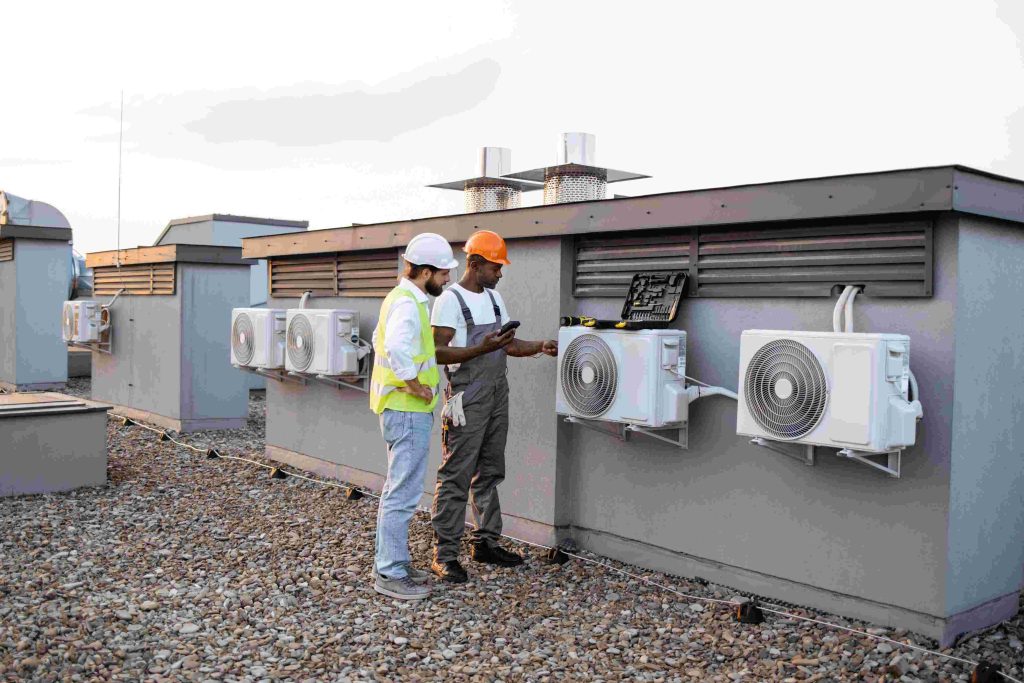
Before winter, schedule a professional maintenance appointment with a trained commercial HVAC technician. A technician inspects the unit, cleans components, lubricates moving parts, and identifies potential issues.
Discuss a service log with your technician. This log details maintenance history, troubleshooting, and parts replacements. This is highly beneficial when tracking wear and tear.
Clear Debris and Obstructions
Remove leaves, debris, and obstructions from around the unit and roof drains. This ensures proper drainage and airflow. This simple preventative maintenance step will make a big difference for your commercial heating systems.
Keeping the area around your RTU clear protects its performance. It prevents water from accumulating and freezing, which can damage the unit. It will also help the air quality in your business.
Inspect and Seal
Inspect the unit for cracks, gaps, or loose connections. Seal any openings with appropriate sealants or weather stripping. This prevents water penetration and drafts. Maintaining commercial rooftop systems through inspections also can help lower energy bills.
Install Protective Covers (When Applicable)
Consider installing a protective cover or wind deflectors depending on your unit’s type and location. Ensure these do not obstruct airflow.

Cover Exposed Pipes and Lines
Insulate exposed pipes and lines to reduce freezing. Commercial pipe insulation is inexpensive and easy to install.
Control Snow and Ice Buildup
If heavy snow accumulates on your RTU, carefully remove it. Avoid hitting the unit with a shovel to prevent damage.
Clearing snow prevents blocked intake of air, which lowers unit efficiency and clogs filters. If the filters get clogged, it can damage the heat pump or other critical system components that are otherwise running efficiently.
Large discrepancies in temperature settings for inside vs outside your building, as well as inefficient systems that cannot regulate the indoor temperature, can cause systems running overtime, as well as systems running inefficiently which increases energy costs.
Address Existing Damage ASAP
Don’t delay repairs. Address cracks, leaks, rust, or damaged components promptly.
Timely repairs prevent small issues from becoming major problems. They may also reduce system costs, especially if you have a home warranty. Keeping your HVAC equipment running efficiently protects your commercial investments.
FAQ About Winterizing Commercial Rooftop HVAC Units
What happens if I don’t winterize my commercial rooftop HVAC unit?
Skipping winter protection can lead to frozen pipes, airflow blockages, corrosion, and costly system failures. Preventative care helps you avoid mid-season breakdowns, expensive repairs, and long-term efficiency losses.
How often should commercial rooftop HVAC units be inspected during winter?
Schedule a professional inspection before winter begins and check monthly during cold weather for debris, damage, or ice buildup. Regular checkups keep your system running efficiently and help catch minor issues before they turn serious.
Can snow and ice really damage a rooftop HVAC unit?
Yes, snow and ice can restrict airflow, overload the unit’s structure, clog filters, and even damage critical components. Regular snow removal and filter checks are essential for maintaining system performance and avoiding shutdowns.
Is pipe insulation necessary for winter HVAC protection?
Absolutely. Insulating exposed pipes and lines helps prevent freezing, cracking, and water damage—common issues in harsh winter climates. It’s a simple and cost-effective step that can save you from major repair bills down the road.
Conclusion
Winter protection for your commercial rooftop unit is a worthwhile investment. It protects against costly repairs, improves efficiency, and extends the unit’s lifespan, ultimately lowering overall HVAC system costs.
Contact us today for more information or to schedule a free consultation.