
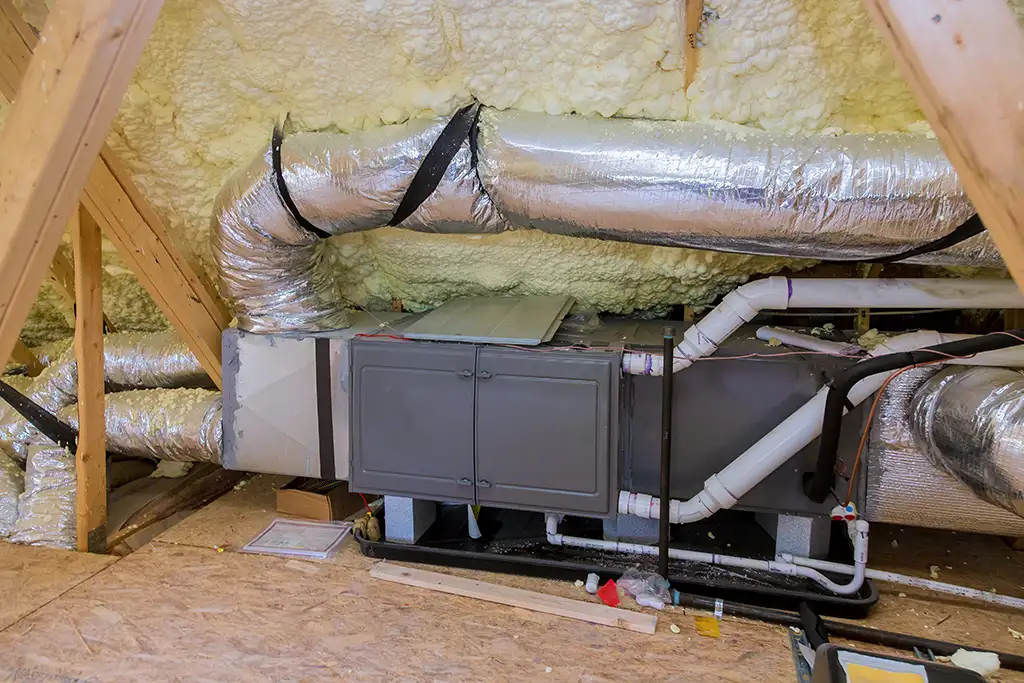
Decoding Common Furnace Sounds Explained: A Homeowner's Guide
Hearing your furnace kick on when the temperature drops is a reassuring sound—unless it’s accompanied by strange noises. Then, it’s natural to wonder if everything’s okay. Understanding common furnace sounds can either bring peace of mind or signal that you need professional help.
You rely on your furnace to keep your home warm and comfortable, especially during those frigid months in Wauconda. A furnace making noises doesn’t automatically mean a crisis. But like any complex machine with moving parts, occasional sounds are normal.
Why Is My Furnace Making Noises?
Let’s explore the inner workings of your furnace to better understand common furnace sounds. Home furnaces have several components that generate heat and circulate it throughout your home. As these parts cycle on and off, expand and contract with temperature changes, or experience wear and tear, noises naturally occur.
Familiarizing yourself with these components and their functions can give you valuable insight into these sounds:
Furnace Component | Function |
|---|---|
Blower Motor | Powers the fan that pushes heated air through your ducts and into your living spaces. |
Gas Valve | Controls the flow of gas into the burners. |
Burners | Ignite the gas to produce heat. |
Heat Exchanger | Transfers heat from the burners to the air. |
Flue/Vent | Expels exhaust gases outside your home. |
Ductwork | Network of metal channels that distribute heated air throughout your home. |
Air Filter | Traps dust, debris, and allergens to improve indoor air quality and protect your furnace. |
Decoding Common Furnace Sounds Explained
A quiet hum from your furnace is a good sign, usually meaning everything’s working properly. But other noises can signal minor issues or serious problems that require a professional furnace repair technician.
Humming
While a soft humming is expected, if it becomes louder than usual, it might indicate an issue with the blower motor. A failing blower motor struggles to function and makes a louder humming sound.
Other potential culprits for excessive humming are a dirty air filter or problems with the capacitor. The capacitor gives the motor a jolt to start, and if it’s malfunctioning, you might hear a buzz.
Clicking
Clicking sounds, especially during startup, often mean the ignition system is doing its job. You may notice this briefly as the igniter tries to light the gas burners.
But, when clicking occurs more frequently, it suggests an issue such as a faulty ignition control board, dirty burners, or problems with the gas valve or thermocouple, which monitors and regulates the pilot light.
Buzzing
A quick buzzing sound might be normal as the capacitor helps the blower motor start-up. However, any prolonged buzzing could signal an electrical issue. Don’t ignore a continuous buzzing as it could worsen over time, leading to costly repairs.
Rattling, Clunking, Rumbling
Unusual sounds like rattling, clunking, or rumbling often mean there’s something loose in the system or—and this is the bigger concern—a cracked heat exchanger.
If loose parts are ruled out, it’s vital to get your heat exchanger checked immediately by a professional. A cracked heat exchanger is a serious safety hazard, as it can leak dangerous carbon monoxide into your home.
Popping or Banging
Subtle popping or banging from expanding and contracting ducts as the furnace cycles is expected. But, if the noise is pronounced, it’s often due to a delayed ignition, which needs attention from an HVAC professional to ensure safe operation.
Knocking
While the word “knocking” is used for various furnace noises, if you hear a distinct knocking beyond the usual ductwork sounds, several things could be happening.
It could be due to a loose blower wheel or motor, debris in the system, a dirty air filter, or even a lack of proper insulation. Older furnaces might produce knocking sounds due to worn-out components or the expansion and contraction of metal parts during heating cycles.
Whistling
Whistling sounds often mean there’s restricted airflow in your system. A very common cause of this is a dirty air filter.
A clogged filter makes it harder for the system to push air through. Inspect and change your air filter regularly (especially during heavy use periods) as part of basic furnace maintenance.
Gurgling
While not as common with all furnaces, if you have a condensing furnace (which is designed to be more energy-efficient), a gurgling sound often indicates there’s a water or condensation issue within the unit. It’s important to have a qualified professional check it out, as it might be a leak.
Squealing or Grinding
A high-pitched squealing or grinding sound coming from your furnace typically points to issues with one of the motors, commonly the blower motor or the inducer motor (responsible for pulling air into the combustion chamber).
This noise happens when motor bearings wear out, and the metal components rub together.
Beeping
Modern furnaces often incorporate self-diagnostic features. Beeping generally means the furnace is trying to tell you something needs attention. Consult your furnace’s manual to interpret the beeps and, if necessary, call a professional technician to resolve the indicated problem.
Conclusion
Your furnace will inevitably make some sounds, especially as it ages. By becoming familiar with these common furnace sounds, you’ll feel more confident about distinguishing routine operations from signs that need attention. Remember, when in doubt, it’s always best to err on the side of caution and have your system inspected by a qualified HVAC professional. Doing so helps prevent more costly problems in the future. A little bit of knowledge about common furnace sounds goes a long way.
By familiarizing yourself with these common furnace sounds, you can address potential issues before they escalate into major problems, saving you time, money, and discomfort in the long run.
Contact us today for more information or to schedule a free consultation.