
Table of Contents
Stay Warm Without Complications
It’s the dead of winter. You wake up freezing, and your furnace isn’t working. Again. You’re tired of calling for heating repair and suspect it’s the furnace flame sensors. But what are those things, anyway?
This guide to furnace flame sensors will cover everything from how they work to common issues, so you can troubleshoot problems and stay warm.
What is a Furnace Flame Sensor?
Furnace flame sensors are small safety devices crucial for gas furnaces. They ensure there’s a flame when the gas valve is open.
This stainless steel metal rod sits near the burners. Without it, unburned gas could build up, leading to carbon monoxide poisoning, wasted fuel, and furnace damage. Make sure to check for carbon monoxide with a carbon monoxide detector. You can learn about the dangers of carbon monoxide at the CDC website.

How Furnace Flame Sensors Work
Here’s a simple breakdown of how a flame sensor works in a gas furnace:
- Ignition: The furnace starts with a spark or a pilot light.
- Flame Detection: If the flame is lit, the flame sensor generates a tiny electrical current.
- Signal to Control Board: The current signals to the control board that everything’s okay.
- Gas Flow Continues: The control board maintains gas flow.
- Safety Shutoff: If no flame is detected, the control board shuts off the gas for safety.
Common Issues with Furnace Flame Sensors
Flame sensors sometimes malfunction. Common issues include cracked porcelain insulation, furnace short cycling, or a complete failure to detect the flame. Often a dirty flame sensor is the problem.
Telltale Signs Your Furnace Flame Sensor Needs Attention
Here are some signs of a failing flame sensor:
- The furnace keeps turning on and off (short-cycling): If the burners light briefly and then shut off repeatedly, it might be the sensor or high-limit switch.
- Furnace won’t stay on: An unexpected shutdown could indicate a sensor or high-limit issue.
- Flame won’t ignite: This could be the sensor or a completely different problem.
Troubleshooting and Maintenance of Furnace Flame Sensors
Because flame sensors play a vital role, knowing how to troubleshoot them can make a difference. Sensors typically require troubleshooting when the furnace won’t start, runs intermittently, or short cycles.
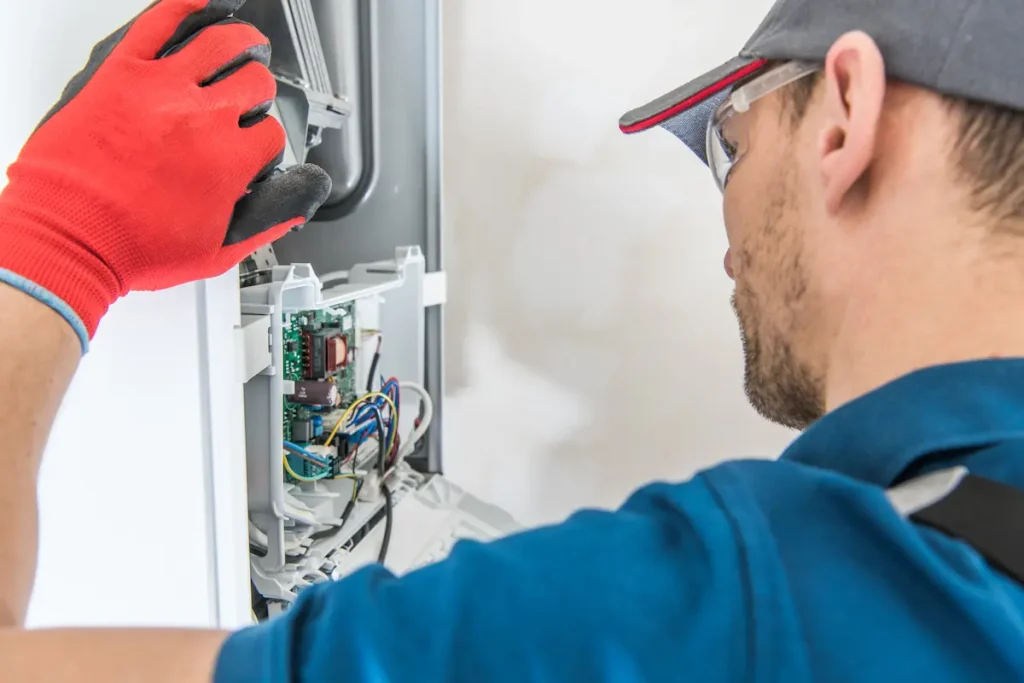
Diagnosing problems before calling a professional can save you money and avoid long periods without heat.
Testing Furnace Flame Sensors
Here’s how to test a furnace flame sensor:
- Disconnect Power: Turn off the power to your furnace at the breaker panel for safety.
- Locate Sensor: Find the sensor near the burners, under an access panel secured with screws or clips.
- Turn off the gas: Turn off the gas supply to the furnace.
- Disconnect Sensor: Carefully detach the wire and remove the sensor. Take care with any mounting screws to not damage the burner assembly.
- Check Connections: Look for discoloration, damage, or loose connections. Clean the sensor using some emery cloth to remove any carbon buildup.
- Test with Multimeter: Check for low resistance between the sensor and a grounded part of the furnace.
- Test with Light Bulb: Connect the multimeter to the sensor wire and a 60-watt bulb. Touch the bulb to the sensor; a high-resistance reading indicates a good sensor. Check if the test lamp is lighting. It will not light up unless the gas valve is open.
- Inspect Sensor: Check the sensor’s connections and porcelain insulation for damage or corrosion. The porcelain insulation helps prevent a short circuit during operation.
Replacing Your Furnace’s Flame Sensor
Even with good maintenance, sensors eventually need replacing. Most cost under $20 and are easy to replace compared to more complicated gas furnace parts like the gas valve.
Trying a do-it-yourself fix with readily available universal flame sensors could save you money over hiring a skilled HVAC service technician for simple sensor replacements.
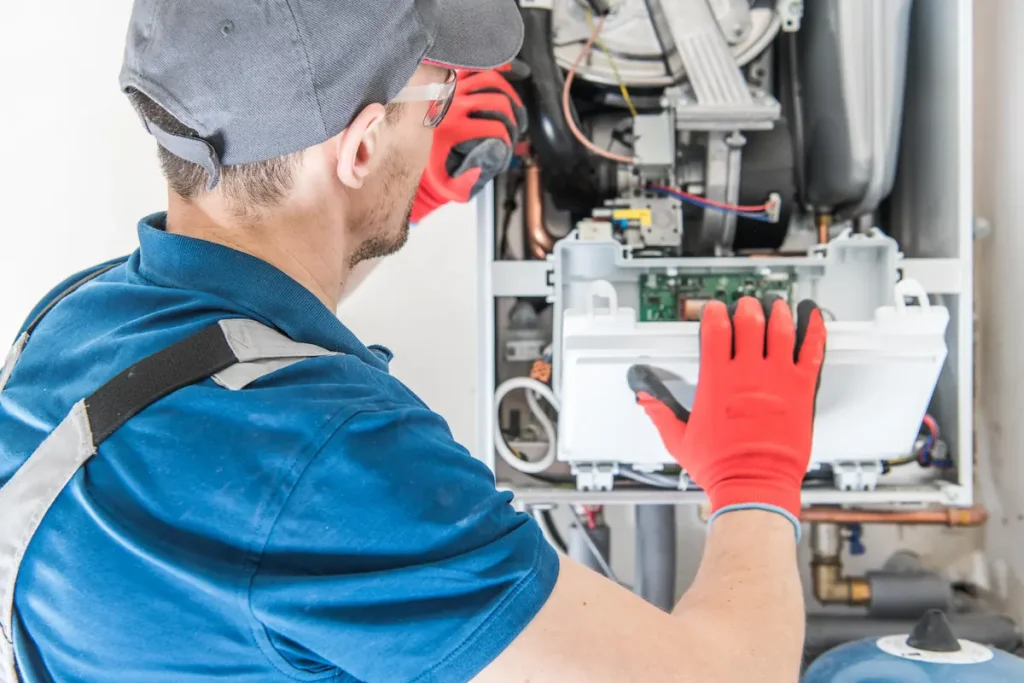
When performing HVAC services on gas furnaces or your other HVAC systems such as a heat pump, you should have all required safety equipment and tools available before working. Always shut off all power and gas when working with your gas appliances and other dangerous gas appliances.
Understanding Furnace Flame Sensor Oxidation
Sensors corrode and oxidize over time, hindering flame detection. This isn’t always visible. Look for discoloration on the sensor or its porcelain insulator.
Even if the sensor appears fine, regular testing and cleaning help maintain optimal performance and identify potential problems early.
Frequently Asked Questions About Furnace Flame Sensors and Troubleshooting
1. How can I tell if my furnace’s flame sensor is dirty or just worn out?
If your furnace turns on but shuts off quickly or won’t stay lit, the flame sensor might just need a good cleaning. If the issue continues after cleaning or the sensor looks cracked or heavily corroded, replacement is usually the best option.
2. Can I clean my furnace’s flame sensor without professional tools?
Yes, you can clean it using emery cloth or a gentle abrasive pad, but always shut off the gas and power before you start. Avoid using steel wool or rough brushes, which can damage the sensor and cause it to fail again soon after.
3. What happens if I ignore signs of a faulty flame sensor?
A failing flame sensor can cause your furnace to shut off unexpectedly or stop heating altogether, especially in freezing temperatures. Ignoring it too long could lead to extended heating outages, higher repair bills, or even safety hazards.
4. Do I need to test the flame sensor regularly even if my furnace seems fine?
Yes, because corrosion and buildup happen gradually, and problems can appear suddenly during peak winter use. Testing and cleaning your flame sensor once a year helps catch issues early and keeps your heating system dependable.
Conclusion
Furnace flame sensors are essential for safety and efficiency. Regular maintenance can prolong their lifespan. Understanding how these sensors work helps you troubleshoot problems and keep your heating systems running smoothly. While troubleshooting a faulty sensor is fairly simple, if you feel unsafe or suspect there’s a more complex issue, always seek a qualified HVAC professional.
Contact us today for more information or to schedule a free consultation.