
Table of Contents
Heat pumps offer an energy-efficient way to heat and cool your home. This heat pump overview explores how these systems work, the different types available, and their growing importance in sustainable home comfort.
From air source to geothermal, heat pumps provide an alternative to traditional HVAC systems. This overview gives you the information you need to make informed decisions.
How Heat Pumps Work: The Refrigeration Cycle
Similar to your refrigerator, heat pumps use a refrigerant to move heat. However, unlike refrigerators that only cool, heat pumps heat and cool your house. They achieve this using a reverse cycle chiller.
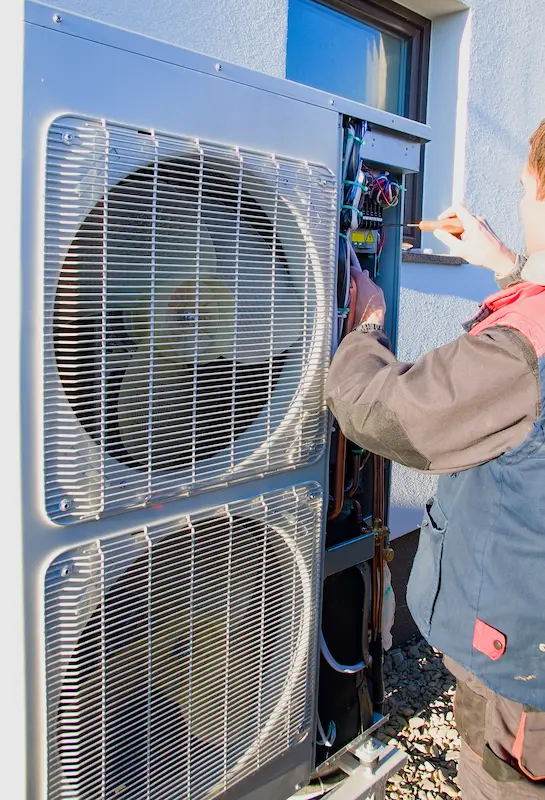
Heating Mode
The heat pump extracts thermal energy from the outdoor air in heating mode. Even in cold climate conditions, the system has enough heat to work. This heat warms the liquid refrigerant, turning it into a gas.
The gas is then compressed, further raising its temperature. This hot gas travels through an indoor heat exchanger coil, releasing heat into your home’s air circulation system.
The refrigerant, now cooled, condenses back into a liquid. The cycle then repeats, continually transferring heat indoors.
Cooling Mode
Cooling mode reverses this process. The refrigerant absorbs indoor air heat, effectively cooling the air. This heat is then released outdoors. This reverse cycle makes the inside cooler and the outside warmer.
Heat Pump Types: A Quick Breakdown
There are several heat pump types available, each with advantages and drawbacks. Your home’s heat pump depends on climate conditions and energy needs.
Air-Source Heat Pumps
Air-source heat pumps transfer heat between your home and outdoor air. These are the most common and generally least expensive to install. Their variable speed options further enhance energy efficiency.
There are two main types: ducted and ductless (mini-split systems). Ducted systems connect to existing ductwork, like traditional heating systems.
Ductless systems use individual indoor units, ideal for homes without existing ducts or for specific room additions. Homes heat with heat pumps across the United States.
Ground-source (Geothermal) Heat Pumps
Ground-source (geothermal) heat pumps use the ground’s stable temperature for heat exchange. They utilize either the ground or groundwater. These heat pump systems collect heat during colder months.
These pumps offer higher energy efficiency than air-source models but are more expensive upfront. Groundwater systems generally require professional installation for optimal efficiency. They offer a form of renewable energy for your heating and cooling needs.
Hybrid Heat Pumps
Hybrid heat pumps combine heat pump technology with a supplementary heat source (e.g., electric furnace). The system uses air as a source of supplemental heat or it can activate the backup oil or natural gas heat as needed. This type of system can determine the cheapest source of heat, offering flexibility during the colder seasons. Hybrid systems give homes the ability to switch from the standard supplementary heat in a heat pump.
Heat Pumps Overview: Benefits and Considerations
Heat pumps offer numerous benefits, including lower operating costs. They can reduce energy bills by up to 40%. Unlike furnaces, they don’t burn fossil fuels.
Instead, heat pumps transfer existing heat. Modern heat pumps maintain high efficiency even in low temperatures, sometimes as low as 5°F. However, certain factors need consideration. A typical heat pump defrost cycle makes them very suitable for almost any climate, even a cold one.

Cost
While heat pumps provide long-term energy savings, the initial investment is higher than furnaces. Installation can range from $3,000 to $6,000. Larger homes may require multiple outdoor units, increasing the total cost.
Climate Considerations
Modern cold-climate heat pumps perform well in freezing weather. However, older models might struggle in extreme cold. Choosing the right size (BTUs) is crucial for optimal performance at various outdoor temperatures. Climate conditions greatly influence whether it’s cost-effective.
Heat pumps and air conditioners work similarly, but heat pumps also heat your home. This dual functionality justifies the higher upfront cost for many homeowners. Heat pump operating costs offer attractive savings.
Maintenance
Regular maintenance is crucial for optimal heat pump performance. Proper maintenance helps ensure peak energy efficiency and cost savings. Neglecting maintenance can significantly reduce the system’s coefficient of performance (COP).
A well-maintained heat pump can have a COP of 4 or higher, while a poorly maintained one might drop below 1. Keeping your heat pump in good condition maximizes energy savings and ensures a good return on your investment. These operating costs should be part of an energy management plan.
Heat Pumps and the Future: Market Trends in this Heat Pumps Overview
Heat pumps are emerging as a cornerstone technology in the shift toward sustainable heating and cooling solutions. In the United States, the market has seen significant growth, reaching $14.6 billion in 2024, and is projected to climb to $33.1 billion by 2033, with an annual growth rate of 9.5%. This surge is driven by the increasing adoption of energy-efficient systems, supportive government incentives, and a focus on reducing carbon emissions.
Despite their promise, challenges like high upfront costs and limited public awareness continue to slow widespread adoption. Addressing these hurdles requires consistent policies, funding, and educational initiatives to help homeowners and businesses transition to heat pumps. As the technology becomes more affordable and efficient, heat pumps are positioned to play a central role in the future of energy-efficient heating and cooling across the U.S.
FAQ About Heat Pumps, Costs, and Efficiency
Do heat pumps really work in cold climates like the Midwest or Northeast?
Yes, modern cold-climate heat pumps are designed to operate efficiently even in freezing temperatures as low as 5°F. Choosing the right size and model ensures consistent comfort even in areas with harsh winters.
Are heat pumps more expensive than traditional HVAC systems?
While heat pumps typically cost more upfront to install, they offer long-term savings by lowering energy bills by up to 40%. Their dual heating and cooling function makes them a cost-effective option over time for many homeowners.
What type of heat pump is best for a home without ductwork?
Ductless mini-split heat pumps are ideal for homes without existing ducts or for room additions. They offer high efficiency, flexible zoning, and can be installed with minimal disruption to your current structure.
How often should I service my heat pump to keep it efficient?
A heat pump should be serviced at least once a year to ensure optimal performance, especially before winter or summer. Regular maintenance improves efficiency, extends lifespan, and reduces the risk of costly repairs.
Conclusion
This heat pumps overview provides essential information about these systems. They represent a greener and more cost-effective approach to home comfort. They provide hot water and floor heating options in some cases. A reverse cycle chiller can significantly impact your heating bills, depending on whether your house utilizes forced-air heating.
With continuous advancements, heat pumps will play an increasingly vital role in how we heat and cool our homes. This overview explains the current state of heat pump technology and its potential impact on consumers.
Contact us today for more information or to schedule a free consultation.