
Table of Contents
When planning HVAC systems for multifamily construction projects in Illinois, compliance with state codes isn’t just a legal obligation—it’s a safeguard for your investment, tenant safety, and long-term energy efficiency. Ignoring even small HVAC compliance details can result in failed inspections, costly redesigns, or future liability issues. Whether you’re a developer, mechanical contractor, or property owner, understanding the HVAC codes for Illinois multifamily buildings is essential.
Understand the Illinois Energy Conservation Code (IECC)
Illinois follows the 2021 IECC for all residential and commercial buildings, including multifamily construction. This code is designed to improve energy performance and reduce operational costs.
Key requirements:
- Minimum SEER (Seasonal Energy Efficiency Ratio) ratings for HVAC equipment
- Programmable thermostats for individual units
- Duct insulation with R-values appropriate for climate zone 5
- Mandatory blower door testing to ensure air tightness
Pro Tip: Choose Energy Star-rated HVAC systems whenever possible to exceed minimum compliance and position your project as energy-efficient.
Comply with Illinois Mechanical Code (IMC)
The IMC, adopted statewide, governs the design, installation, maintenance, and repair of mechanical systems, including HVAC systems in multifamily settings.
Key considerations include:
- Proper combustion air supply and exhaust ventilation
- Equipment clearance for servicing
- Condensate disposal in accordance with Section 307
- Return and supply duct sizing and insulation standards
Note: Failure to provide adequate access to air handlers, heat pumps, or furnaces may violate code and delay occupancy approvals.
Follow the Ventilation Code ASHRAE 62.2
Illinois requires mechanical ventilation that meets both IMC and ASHRAE 62.2 standards for indoor air quality (IAQ). In multifamily dwellings, this means:
- Installing exhaust fans in kitchens and bathrooms
- Providing dedicated ventilation systems for each unit or shared energy recovery ventilators (ERVs)
- Ensuring fresh air intakes are located away from exhaust vents or contaminants
Common Pitfall: Relying on natural ventilation or under-sizing mechanical systems can lead to IAQ complaints and code violations.

Consider Illinois Accessibility Code (IAC) for HVAC Controls
HVAC systems in ADA-compliant multifamily units must also comply with the Illinois Accessibility Code.
This includes:
- Thermostats and HVAC controls must be mounted within reach range (typically 48 inches max above the finished floor)
- Controls must be operable with one hand and not require tight grasping or pinching
Tip: Always consult with your architect or ADA specialist during mechanical design to avoid costly relocation of controls.
Integrate ASHRAE 15 for Refrigerant System Safety
ASHRAE 15 outlines the safety requirements for the design, installation, and operation of refrigeration systems—including heat pumps and air conditioners used in multifamily HVAC applications. This standard protects building occupants and maintenance staff by regulating refrigerant concentration limits, leak detection systems, ventilation, and emergency shutoff procedures. In multifamily construction projects across Illinois, compliance with ASHRAE 15 is essential to prevent hazardous refrigerant exposure, especially in mechanical rooms and occupied spaces.
Highlights:
- Refrigerant concentration limits must be maintained in occupied spaces
- Proper pressure-relief valves and refrigerant piping must be in place
- Mechanical rooms may require refrigerant detection systems
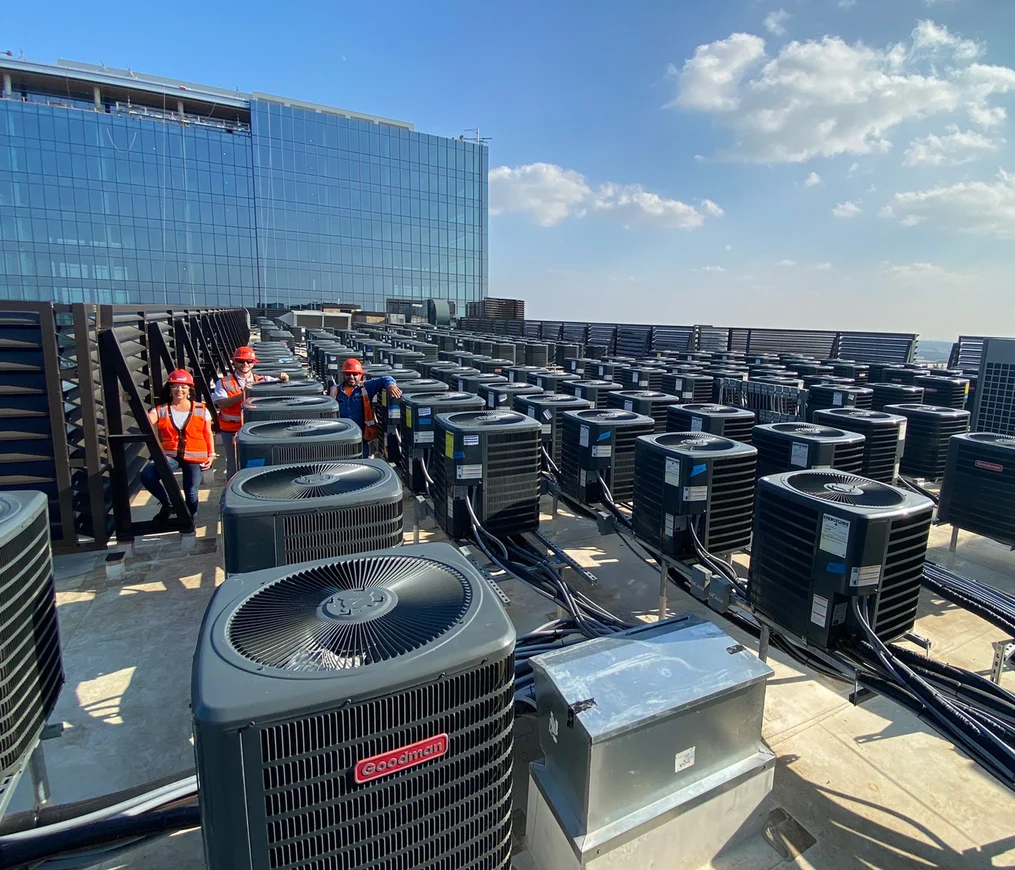
This is especially critical when designing rooftop or shared condenser systems across multiple units.
Follow Illinois Plumbing Code (IPC Section 890) for Condensate Drainage
When installing HVAC systems in multifamily buildings, it’s critical to ensure proper condensate drainage. According to the Illinois Plumbing Code, Section 890 specifically governs how HVAC condensate must be safely discharged. This includes requirements for materials, pipe sizing, slope, air gaps, and connections to approved drainage systems. Improper handling of condensate can lead to water damage, microbial growth, and even structural issues over time.
Requirements include:
- Proper slope of condensate lines (minimum 1/8 inch per foot)
- Indirect discharge into a properly trapped and vented drain
- Secondary drain lines or overflow alarms for units above occupied spaces
Improper drainage is one of the most common causes of HVAC-related code violations.
Pay Attention to ASHRAE 189.1 for High-Performance Buildings
ASHRAE 189.1 sets the benchmark for high-performance green buildings, offering guidance on energy efficiency, water use, and indoor environmental quality. While it’s not always legally binding unless adopted locally, many jurisdictions in Illinois reference it for multifamily construction projects pursuing LEED certification or aiming to meet stricter energy codes.
It covers:
- Enhanced HVAC efficiency and equipment selection
- Smart controls for heating and cooling
- Improved ventilation strategies for better IAQ
While not mandatory statewide, it provides a framework for sustainable and future-proof HVAC designs.
Apply Fire Safety Codes (NFPA 90A/90B)
Fire safety is critical in any multifamily HVAC installation, and that’s where NFPA 90A (for commercial/multifamily structures) and NFPA 90B (for smaller residential buildings) come in. These standards regulate how air conditioning and ventilation systems are designed and installed to prevent the spread of smoke and fire through ductwork.
For multifamily projects in Illinois, NFPA 90A is the primary reference and includes requirements for duct construction, fire/smoke dampers, insulation, and access for inspection and maintenance. Illinois fire codes reference NFPA 90A and 90B for HVAC duct systems:
- Duct smoke detectors in air handlers >2000 CFM
- Fire dampers at rated wall penetrations
- Duct material, spacing, and clearance requirements
This is critical in multifamily projects where fire-rated assemblies separate units.
Ensure Electrical Compliance with NFPA 70 (NEC)
HVAC systems must also meet National Electrical Code (NEC) standards:
- Dedicated circuits for major equipment (furnaces, heat pumps)
- Disconnects within sight of equipment
- Proper breaker sizing and GFCI protection for outdoor units
Mistake to avoid: Not coordinating mechanical and electrical plans during design phase, which can result in failed inspections.
Final Tips for Staying Compliant
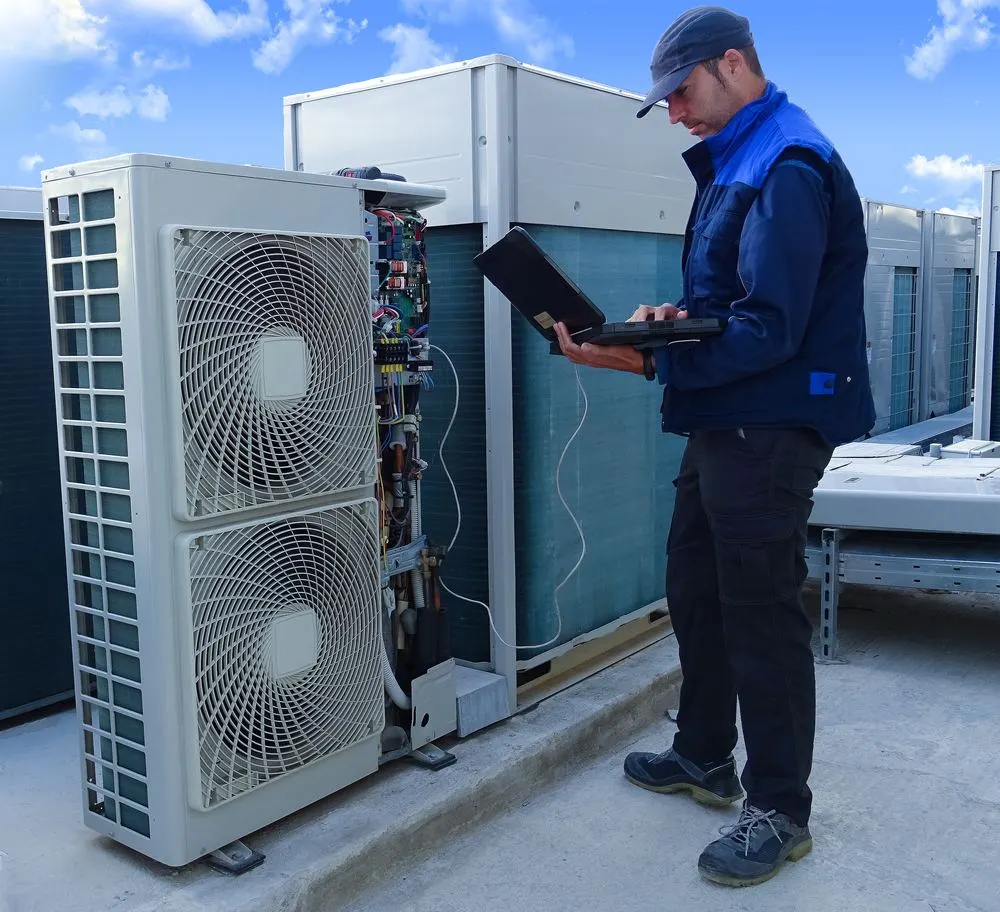
- Work with licensed HVAC professionals who understand Illinois code
- Submit mechanical plans for permitting and inspection
- Keep documentation on equipment specs, load calculations, and airflow measurements
- Schedule inspections before drywall installation to avoid costly corrections
FAQs About HVAC Code Compliance in Illinois Multifamily Projects
What HVAC codes apply to multifamily construction projects in Illinois?
Multifamily projects in Illinois must follow the Illinois Mechanical Code, IECC, IMC, and local amendments depending on the municipality. These codes set requirements for energy efficiency, ventilation, duct design, and system safety for residential buildings with multiple units.
Is compliance with the International Energy Conservation Code (IECC) mandatory for all multifamily buildings?
Yes, compliance with the IECC is mandatory in Illinois and plays a critical role in how HVAC systems are selected and installed. The code ensures heating and cooling equipment meets minimum energy efficiency ratings, improving indoor comfort while reducing long-term utility costs.
How can I ensure HVAC code compliance during a multifamily construction project in Illinois?
Working with a licensed HVAC contractor who understands local and state codes is the most effective way to ensure compliance. From proper load calculations and ventilation planning to documentation and permitting, professional oversight helps avoid costly revisions later.
Are there specific ventilation requirements for multifamily housing units in Illinois?
Yes, multifamily buildings must meet ASHRAE 62.1 or 62.2 standards for mechanical ventilation, depending on unit type and building size. This ensures occupants have sufficient fresh air, which directly impacts health, comfort, and code compliance.
What are the consequences of not meeting HVAC code requirements in Illinois multifamily construction?
Non-compliance can result in failed inspections, construction delays, fines, and even mandatory system redesigns. It also puts occupant safety and energy efficiency at risk, which can create long-term liability and financial burdens for developers and property managers.
Conclusion
Code compliance for HVAC systems in multifamily construction is more than a checklist—it’s an essential part of building safety, comfort, and efficiency. From the Illinois Energy Conservation Code to ASHRAE safety standards, being proactive about HVAC compliance saves money, time, and future hassle. By following these guidelines, you ensure your multifamily building project in Illinois meets all mechanical, safety, and accessibility standards.
Need help ensuring HVAC compliance? Contact us for a code review or expert consultation before your next multifamily build.