

Table of Contents
The HVAC condenser coil is a vital part of your air conditioning system that helps remove heat from your home. It sits inside the outdoor unit of your AC system. This important component works by releasing the heat collected from inside your house into the outside air. When your condenser coil works properly, your home stays cool and comfortable, especially during hot summer days.
Many homeowners don’t know much about their HVAC condenser coil until something goes wrong. Learning about this part can help you keep your AC running well and avoid costly repairs. In this guide, we’ll explain everything you need to know about your condenser coil in simple terms.
What Is an HVAC Condenser Coil?
An HVAC condenser coil is a series of tubes and fins that make up a key part of your air conditioning system. It’s located in the outdoor unit of your AC system, which is often called the condenser unit. The coil is usually made of copper tubes surrounded by aluminum fins. These materials are great at transferring heat, which is exactly what the coil needs to do.
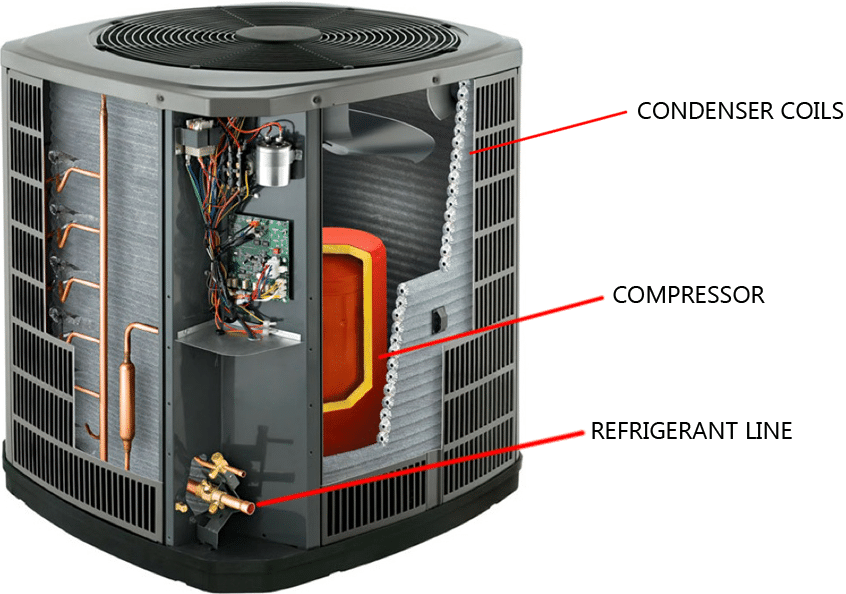
The main job of the HVAC condenser coil is to release heat from your home to the outside. Think of it like a radiator in a car. It takes the hot refrigerant that has collected heat from inside your home and cools it down by releasing that heat outdoors. Without a working condenser coil, your AC system couldn’t remove heat from your home.
Your condenser coil works together with the evaporator coil (located in the indoor unit) to create the cooling cycle that keeps your home comfortable. While the evaporator coil absorbs heat from inside your home, the condenser coil releases that heat outside. This continuous cycle is what makes air conditioning possible.
How Condenser Coils Work
The HVAC condenser coil works as part of the refrigeration cycle in your air conditioning system. This process starts when the refrigerant absorbs heat from inside your home through the evaporator coil. The refrigerant, now carrying heat, travels to the outdoor unit where the condenser coil is located.
When the hot refrigerant reaches the condenser coil, a fan blows outside air across the coil. This airflow helps the refrigerant release the heat it collected from inside your home. As the refrigerant cools down, it changes from a gas back into a liquid. The cooled liquid refrigerant then returns to the indoor unit to start the cycle again.
The Cooling Cycle Step by Step:
- Warm air from your home passes over the cold evaporator coil inside
- The refrigerant in the evaporator coil absorbs heat and turns from liquid to gas
- The hot gas refrigerant travels to the outdoor unit
- The compressor pressurizes the hot gas, making it even hotter
- The hot gas enters the condenser coil where outside air cools it down
- The refrigerant releases heat through the HVAC condenser coil and turns back into a liquid
- The cooled liquid refrigerant returns to the evaporator coil to start again
This cycle repeats continuously while your air conditioner is running. The condenser coil must be clean and in good condition for this heat transfer to happen efficiently. If the coil gets dirty or damaged, your AC system has to work harder, using more energy and potentially breaking down.
Common Condenser Coil Problems
Your HVAC condenser coil can face several problems that affect how well your air conditioner works. Knowing these common issues can help you spot problems early and fix them before they cause bigger damage.
Dirt and Debris Buildup
The most common problem with condenser coils is dirt buildup. Since the condenser unit sits outside, it’s exposed to dirt, leaves, grass clippings, and other debris. When dirt covers the coil, it creates a layer of insulation that prevents proper heat transfer. This makes your system work harder and less efficiently.
Signs of a dirty condenser coil include:
- Higher electric bills
- Air that doesn’t feel as cool as it should
- AC running longer than usual
- System overheating and shutting off

Physical Damage
The thin aluminum fins on your HVAC condenser coil can easily get bent or damaged. This might happen during storms, from hitting the unit with a lawnmower, or even from hail. Bent fins restrict airflow across the coil, reducing its ability to release heat.
Severe damage might include:
- Crushed sections of the coil
- Punctures that leak refrigerant
- Corrosion from salt air (in coastal areas) or certain pollutants
Refrigerant Leaks
The condenser coil can develop small leaks over time. These leaks allow refrigerant to escape from the system. Without enough refrigerant, your AC can’t properly cool your home. Refrigerant leaks are serious problems that require professional repair.
Warning signs of a refrigerant leak include:
- Reduced cooling performance
- Ice forming on the evaporator coil
- Hissing sounds near the outdoor unit
- AC running constantly but not cooling well
Coil Corrosion
Over time, condenser coils can corrode, especially in areas with high pollution or salt air. Corrosion eats away at the metal, eventually causing leaks and system failure. Some newer coils have special coatings to resist corrosion, but older units are more vulnerable.
How to Maintain Your Condenser Coil
Taking care of your HVAC condenser coil helps your air conditioner work better and last longer. Here are simple steps you can take to maintain your condenser coil and prevent problems.
Regular Cleaning
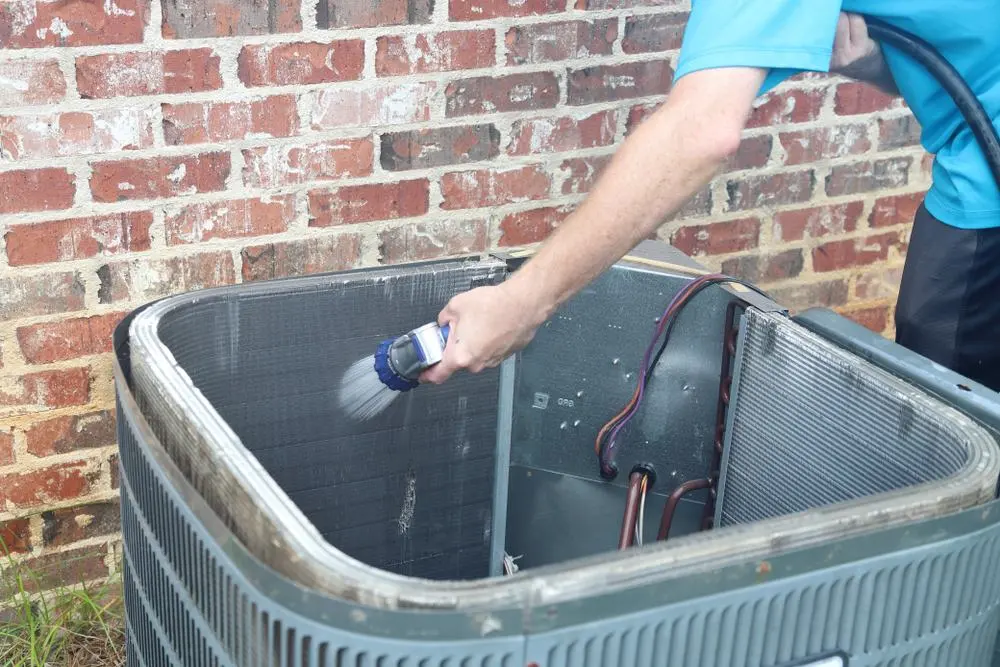
Cleaning your condenser coil is the most important maintenance task. You should clean the coil at least once a year, preferably before the hot season starts. If you live in a dusty area or have lots of trees or plants near your unit, you might need to clean it more often.

Basic cleaning steps you can do yourself:
- Turn off power to the unit at the breaker box
- Remove large debris like leaves and twigs by hand
- Gently vacuum the outside of the unit with a soft brush attachment
- Spray the coil with a commercial coil cleaner (follow product instructions)
- Rinse gently with a garden hose (not a pressure washer)
For a deeper cleaning, it’s best to call a professional HVAC technician. They have special tools and cleaners that can remove stubborn dirt without damaging the delicate fins.
Keep the Area Clear
Make sure the area around your outdoor unit stays clear. This helps air flow freely through the HVAC condenser coil. Follow these guidelines:
- Keep at least 2 feet of clear space on all sides of the unit
- Trim back plants, bushes, and tree branches
- Don’t store items like garden tools or toys against the unit
- Keep grass clippings and leaves from blowing into the unit
Protect During Off-Seasons
Some homeowners cover their AC units during winter to protect them from snow and ice. If you do this, make sure you use a proper AC cover that allows some airflow to prevent moisture buildup. Remove the cover when temperatures rise to prevent accidental operation while covered, which could damage the unit.
Schedule Professional Maintenance
Having a professional HVAC technician check your system once a year is the best way to keep your condenser coil in good shape. A technician can:
- Perform a thorough cleaning of the HVAC condenser coil
- Check refrigerant levels
- Test for leaks
- Straighten bent fins with a special comb tool
- Check the fan motor and blades
- Ensure proper system operation
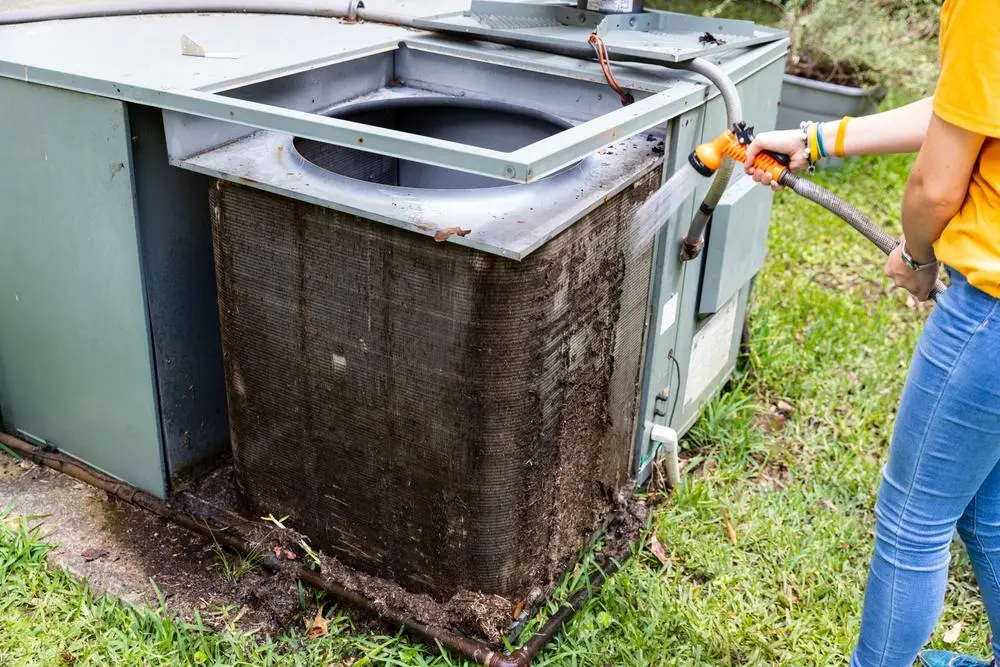
Regular maintenance not only keeps your condenser coil working well but can also extend the life of your entire AC system.
When to Replace Your Condenser Coil
Sometimes, despite good maintenance, your HVAC condenser coil might need to be replaced. Knowing when to repair versus replace can save you money and prevent comfort problems in your home.
Age Considerations
Most condenser coils last about 10-15 years, similar to the lifespan of the entire AC unit. If your coil is older than 10 years and having problems, replacement might make more sense than repair. This is especially true if your system uses R-22 refrigerant (Freon), which is being phased out and is very expensive to replace.
Cost Comparison
Replacing just the condenser coil can be expensive—often 50-70% of the cost of a new unit. If your AC system is older, putting that money toward a new, more efficient system might be smarter. A new system will use less energy and provide better cooling.
Signs It’s Time for Replacement
Consider replacing your condenser coil or entire heat pump when:
- The coil has multiple leaks or severe damage
- Repairs would cost more than half the price of a new unit
- Your system is over 10 years old and having frequent problems
- Your energy bills keep rising despite maintenance
- The system can’t keep your home comfortable anymore
Efficiency Upgrades
Newer HVAC systems have much more efficient condenser coils. If you replace your old system with a high-efficiency model, you could see energy savings of 20-40%. These savings can help offset the cost of replacement over time.
Frequently Asked Questions About HVAC Condenser Coils
How often should I clean my HVAC condenser coil?
You should clean your condenser coil at least once a year, ideally in spring before heavy use begins. If you live in a dusty area or have lots of trees nearby, cleaning twice a year is better. Regular cleaning helps your system run efficiently and prevents breakdowns.
Can I clean the condenser coil myself?
Yes, you can do basic cleaning yourself. Turn off power to the unit, remove debris, and gently rinse the outside with a garden hose. For a deeper clean, use a commercial coil cleaner following the product instructions. Avoid using pressure washers or stiff brushes that could damage the delicate fins.
Why is my AC running but not cooling?
A dirty or damaged HVAC condenser coil is a common cause of an AC that runs but doesn’t cool well. When the coil can’t release heat properly, the cooling cycle becomes inefficient. Other possible causes include low refrigerant, a failing compressor, or problems with the indoor evaporator coil.
How much does it cost to replace a condenser coil?
Replacing just the condenser coil typically costs between $900 and $2,800, depending on your system size and model. This includes parts and labor. However, if your system is older, replacing the entire outdoor unit or the whole HVAC system might be more cost-effective in the long run.
Can bent fins on the condenser coil be fixed?
Yes, bent fins can often be straightened using a special tool called a fin comb. HVAC technicians have these tools and can restore proper airflow through your coil. For minor fin damage, this repair can significantly improve efficiency without major costs.
How long should an HVAC condenser coil last?
With proper maintenance, an HVAC condenser coil should last 10-15 years, about the same as the overall AC unit. Factors that affect lifespan include maintenance frequency, local climate, usage patterns, and the quality of the original installation.
Is it normal for ice to form on the condenser coil?
No, ice should not form on your outdoor condenser coil. If you see ice on the outdoor unit, it could indicate a serious problem like low refrigerant, airflow issues, or a failing component. Turn off your system and call a professional right away to prevent damage.
Keep Your HVAC Condenser Coil in Top Shape
Your HVAC condenser coil plays a crucial role in keeping your home cool and comfortable. By understanding how it works and taking steps to maintain it, you can prevent many common AC problems. Regular cleaning, keeping the area around your unit clear, and scheduling yearly professional maintenance are the best ways to protect this important component.
Remember that a well-maintained condenser coil helps your entire AC system run more efficiently, saving you money on energy bills and preventing costly repairs. If your system is older or having frequent problems, consider whether replacing the coil or upgrading to a new, more efficient system might be the better long-term solution.
Don’t wait until your AC stops working on the hottest day of the year. Take care of your HVAC condenser coil now, and it will take care of you when you need it most. For professional help with your condenser coil or any other HVAC needs, contact G.W. Jones Heating and Cooling today to schedule an appointment.